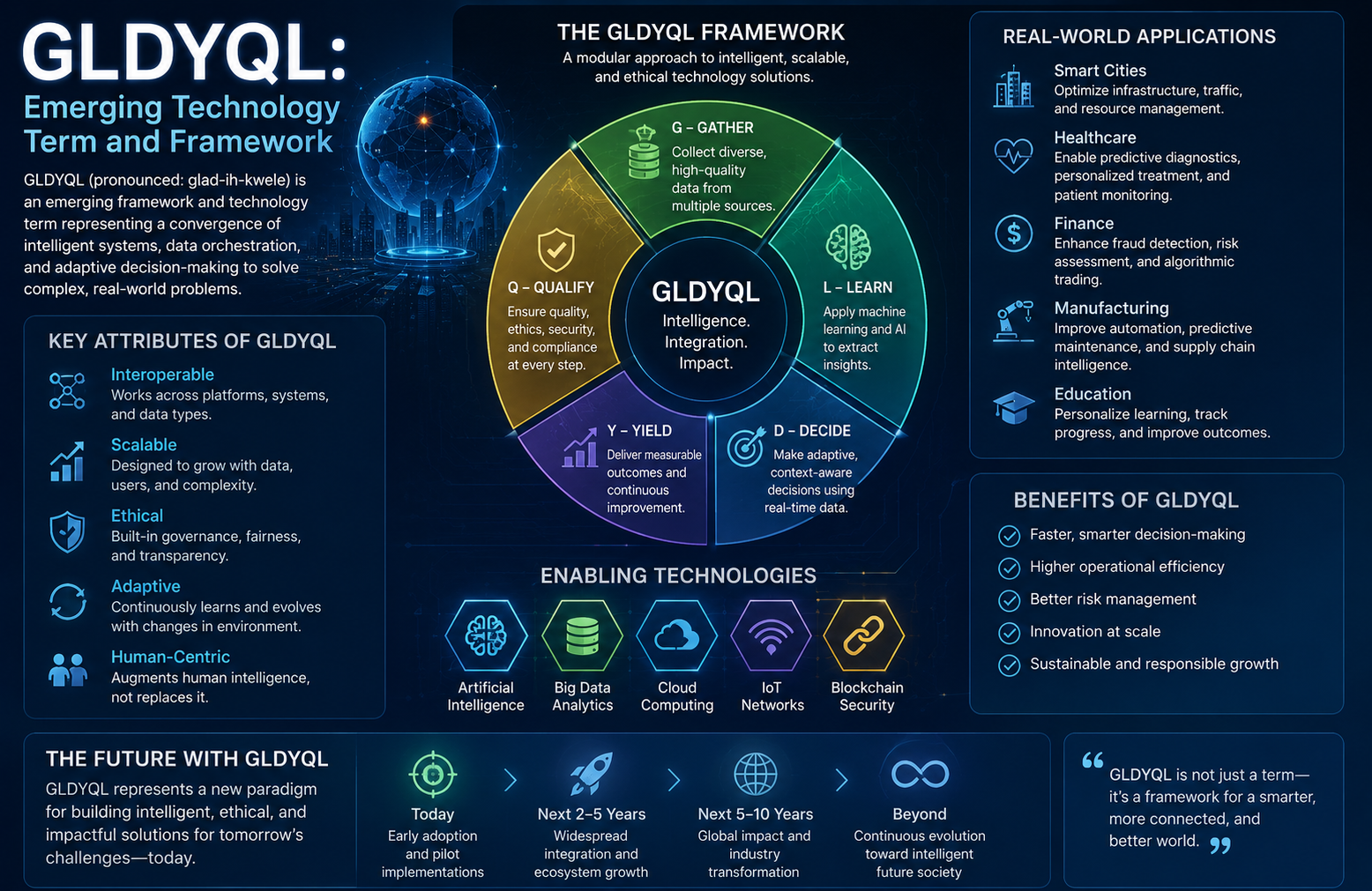
Introduction to GLDYQL
Understanding Niche Technology Terminology
GLDYQL represents example of increasingly specialized terminology emerging within technology sectors, particularly cloud computing, data management, and modern software architecture. The term appears in recent technology content and discussions but lacks clearly established definition or widespread standardized usage. This ambiguity reflects reality of rapidly evolving technology sectors where new concepts, frameworks, and terminology constantly emerge faster than formal documentation and standardization can establish clear definitions. Understanding GLDYQL requires moving beyond seeking single definitive meaning toward recognizing how term functions within specific technical contexts and communities.
The Challenge of Emerging Tech Terminology
Contemporary technology landscapes generate new terminology constantly as engineers, developers, and technology professionals create new frameworks, systems, and concepts addressing emerging challenges. Not all emerging terminology achieves widespread adoption or formal documentation—some remains niche, used primarily within specific organizations or communities; some evolves into standardized concepts; some fades as technologies become obsolete. GLDYQL appears to fall within emerging category, discussed in recent technology content but not yet achieving universal standardization or clear definition. This ambiguity doesn’t diminish potential significance but rather reflects normal pattern of technological innovation and vocabulary evolution.
Potential vs. Actual Meaning
A significant challenge in understanding GLDYQL involves distinguishing between what term potentially refers to and what it actually represents in specific contexts. The term might represent entirely new concept, variation of existing terminology, typo or localized variant of established terms, or placeholder terminology used temporarily before more standard nomenclature becomes adopted. Different technology communities might use GLDYQL to describe different things. Understanding GLDYQL therefore requires examining multiple possibilities and contexts where term appears.
Technology Documentation and Knowledge Gaps
Not all technology terminology achieves immediate documentation or explanation. Emerging concepts, internal company frameworks, and specialized terminology often lack formal documentation available to general audiences. GLDYQL’s limited presence in standard technology documentation reflects broader pattern where cutting-edge or niche concepts may lack formal explanation. Technology professionals working within specialized domains often develop and use terminology before broader technology community becomes aware of concepts or before standardized documentation emerges.
GLDYQL as System-Level Framework
Backend Architecture Understanding
One commonly associated definition describes GLDYQL as system-level framework conceptualizing backend digital architecture. Within this interpretation, GLDYQL functions as framework for understanding how data operations and system workflows structure themselves in modern cloud environments. Backend architecture—distinct from frontend user-facing interfaces—focuses on server-side systems, databases, processing logic, and infrastructure supporting applications. A framework conceptualizing backend architecture would need to address multiple dimensions including data flow, processing pipelines, storage structures, and system integration.
Cloud Environment Context
GLDYQL appears particularly relevant to modern cloud environments where distributed systems, microservices architectures, and complex data operations characterize technical infrastructure. Cloud computing introduces particular challenges and opportunities regarding system architecture—distributed nature of cloud systems creates complexity in coordinating data operations across multiple servers and locations. A framework like GLDYQL, if it exists as described, would need to address these cloud-specific architectural challenges. The framework’s association with cloud environments suggests particular relevance to contemporary technology infrastructure.
Data Operations and Workflows
Within system-level framework interpretation, GLDYQL apparently addresses how data operations and system workflows organize themselves within modern technical architecture. Data operations—reading, writing, transforming, analyzing data—represent core functions within any information system. Workflows—sequences of steps or processes—provide structure for accomplishing complex tasks. A framework addressing both dimensions would need to simultaneously consider data handling and process sequencing, recognizing interactions between these dimensions.
Architectural Abstraction and Conceptualization
If GLDYQL functions as framework for conceptualizing backend architecture, it likely operates at relatively high level of abstraction. Rather than specifying precise technical implementation details, framework would identify key concepts and relationships structuring architectural thinking. This abstraction level allows framework to apply across different specific technologies while providing coherent approach to understanding complex systems. The conceptual nature of framework distinguishes it from specific programming languages or tools, positioning it more as organizational principle than concrete technology.
Integration with Existing Infrastructure
A system-level framework like GLDYQL would likely require integration with existing technology infrastructure and tools. Rather than replacing existing systems, it would provide conceptual framework for understanding and organizing existing components. This integration approach allows adoption of framework without requiring complete technology replacement or reorganization—companies could apply GLDYQL concepts to existing infrastructure, gradually restructuring according to framework principles.
GLDYQL as Data and Productivity Automation
Data Transformation and Structuring
Another interpretation describes GLDYQL as emerging logic pattern for transforming messy datasets into streamlined, actionable insights. Within this context, GLDYQL functions as systematic approach to data management and processing. Many organizations struggle with data quality—datasets often contain inconsistencies, missing values, duplicate information, and formatting variations. Traditional data cleaning and transformation processes are time-consuming and error-prone. A logic pattern like GLDYQL would systematize and automate these transformation processes.
Automation and Productivity Enhancement
The focus on productivity enhancement suggests GLDYQL aims at improving efficiency of data work processes. Rather than manual data cleaning, transformation, and analysis, automated approaches could dramatically increase productivity and reduce error rates. If GLDYQL provides logic pattern enabling systematic data automation, it would address significant pain point in data management—the time and effort required for data preparation before actual analysis. Automation could free data professionals to focus on higher-level analysis and insights rather than repetitive data cleaning tasks.
Actionable Insights Generation
The emphasis on producing actionable insights positions GLDYQL within broader context of business intelligence and data-driven decision-making. Data’s value depends not merely on existence but on ability to extract meaningful insights informing decisions. GLDYQL, as framework for transforming raw data into actionable intelligence, would contribute to translating data into business value. This positioning suggests GLDYQL targets business users and decision-makers, not just technical specialists.
Logic Pattern and Systematic Approach
Describing GLDYQL as “logic pattern” suggests systematic, reproducible approach rather than ad-hoc procedures. Logic patterns provide structured methodologies for addressing recurring problems. A logic pattern for data transformation would establish systematic processes applicable across different datasets and contexts. This systematic approach enables consistency, reproducibility, and scalability—key advantages of formalized approaches over case-by-case manual handling.
Integration with Analytics Platforms
If GLDYQL functions as data automation and productivity framework, it likely integrates with analytics platforms, business intelligence tools, and data warehousing infrastructure. Rather than functioning standalone, GLDYQL would complement existing tools, automating specific processes within larger data management ecosystems. This integration approach allows organizations to adopt GLDYQL within existing technology stacks.
GLDYQL as Potential GLQL Variant
GLQL (GitLab Query Language) Context
A significant possibility exists that GLDYQL represents typo or localized variant of GLQL—GitLab Query Language, an established language within GitLab ecosystem. GitLab, popular development platform used by organizations worldwide, provides various tools for managing software development projects, repositories, and collaboration. GLQL functions as query language within GitLab, enabling users to run analytics mode queries, group dimensions, and filter metadata. This established meaning provides potential explanation for GLDYQL terminology.
GitLab Ecosystem and Tools
GitLab represents comprehensive development platform providing repositories, continuous integration/continuous deployment (CI/CD) pipelines, project management, monitoring, and analytics capabilities. Within GitLab ecosystem, specialized query languages and tools enable users to extract information, analyze development activities, and manage projects effectively. GLQL, as query language within this ecosystem, provides structured approach to querying and analyzing data within GitLab projects and repositories.
Analytics and Querying Capabilities
GLQL enables analytics mode queries, allowing users to analyze development activities, project metrics, and team performance. Query language functionality permits filtering, grouping, and organizing data according to specific criteria. Users can construct complex queries extracting specific information from development data—identifying bottlenecks, tracking progress, analyzing team productivity, monitoring code quality. These analytics capabilities support data-driven decision-making within software development contexts.
Metadata Filtering and Dimension Grouping
GLQL’s ability to group dimensions and filter metadata provides flexibility for complex queries addressing various analytical needs. Dimensions—different ways of organizing or categorizing data—can be grouped to create different analytical perspectives. Metadata filtering—selecting specific information based on attributes—enables precise data extraction. These capabilities make GLQL powerful analytical tool for development teams seeking insights from their project and repository data.
Typo vs. Intentional Variant
While GLQL variant explanation seems plausible, distinguishing between GLDYQL as typo versus intentional variant remains challenging without additional context. Common typo patterns might accidentally produce GLDYQL from GLQL—transposition of letters, additional keystroke producing extra characters, autocorrect artifacts. Alternatively, GLDYQL might intentionally represent localized variant, abbreviation, or reference to GLQL used within particular communities or organizations. Without definitive evidence, multiple interpretations remain possible.
Cross-Platform Terminology
If GLDYQL relates to GLQL, it might represent how GitLab terminology is referenced or understood outside GitLab documentation. Different communities, organizations, or online discussions might use variant terminology when referencing GitLab concepts. Such variants emerge naturally as terminology spreads beyond original documentation, with different users developing alternative names or abbreviated references. GLDYQL could represent such natural variation in how GLQL is referenced.
Technology Review Context and Documentation
Techiapple and Similar Review Platforms
References to GLDYQL appear in technology review content, including platforms like Techiapple. Technology review and analysis platforms serve important function in technology ecosystem, examining emerging technologies, evaluating tools and platforms, and explaining complex concepts for broader audiences. Appearance of GLDYQL in technology reviews suggests term has achieved sufficient recognition to warrant discussion in technology analysis content. However, limited standardization or clear definition in such reviews might reflect term’s emerging, not-yet-standardized status.
Technology Content Creation Challenges
Technology content creators face challenge of explaining emerging concepts using terminology still evolving in meaning. Different sources might use similar terminology differently, particularly if term lacks formal standardization. Technology reviewers and analysts must often make educated interpretations regarding emerging concepts, potentially introducing variations or interpretations that diverge from creator’s intent. This creates natural variability in how emerging terminology appears across different sources.
Knowledge Aggregation and Interpretation
Technology content aggregates information from multiple sources—official documentation, community discussions, technical blogs, forums, and other channels. When consolidating information about emerging concepts like GLDYQL, content creators must interpret and integrate sometimes contradictory or incomplete information. This aggregation process can introduce variations or clarifications not present in original sources. Understanding GLDYQL requires appreciating this aggregation and interpretation process underlying technology content.
Documentation Evolution
Technology documentation frequently evolves as concepts develop and become better understood. Early documentation regarding emerging concepts might use uncertain language, provide incomplete explanations, or include errors later corrected. As concepts mature and gain wider adoption, documentation typically becomes more standardized and precise. GLDYQL’s apparent lack of standardized documentation reflects normal pattern of emerging technology terminology evolution toward standardization.
Contextual Interpretations and Use Cases
Software Development and CI/CD Pipelines
If GLDYQL relates to software development tools or frameworks, it likely has applications within CI/CD pipelines—systems automating code building, testing, and deployment. Modern software development relies heavily on CI/CD automation to ensure code quality and enable rapid development. GLDYQL, particularly if related to GitLab or similar development platforms, would address automation and optimization within these pipelines. Understanding GLDYQL’s application requires familiarity with CI/CD concepts and practices.
Enterprise Data Management
Large organizations managing enormous quantities of data require sophisticated approaches to data organization, access, and analysis. GLDYQL, if functioning as data management framework, would address enterprise-scale challenges. Enterprise applications require handling diverse data sources, ensuring data quality, managing access permissions, and providing analytical capabilities. A framework scaling to enterprise requirements would need to address these complex dimensions.
Microservices Architecture
Modern cloud applications frequently employ microservices architecture—breaking applications into small, independent services communicating through defined interfaces. Microservices introduce particular challenges regarding data consistency, service coordination, and system monitoring. GLDYQL, if functioning as system framework for cloud environments, might address microservices-specific architectural challenges. Understanding GLDYQL requires familiarity with microservices concepts and patterns.
DevOps and Infrastructure Automation
DevOps practices emphasize automation of development and operations processes. GLDYQL might contribute to DevOps automation approaches, systematizing operations, monitoring, and management tasks. If GLDYQL relates to infrastructure automation or operations automation, it would serve DevOps practitioners seeking systematic approaches to managing complex infrastructure. DevOps context would position GLDYQL as tool supporting automation culture.
Real-Time Analytics and Data Streaming
Modern data systems increasingly emphasize real-time analytics and data streaming. GLDYQL, particularly if functioning as data operations framework, might address real-time data processing challenges. Streaming data environments introduce different requirements than batch processing—systems must handle continuous data flow, maintain low latency, and process large volumes. GLDYQL could provide framework conceptualizing real-time data operations.
Challenges in Understanding Emerging Terminology
Documentation and Definition Gaps
GLDYQL’s primary challenge involves limited formal documentation and unclear definition. Emerging terminology often lacks standardized definitions until concepts achieve widespread adoption and standardization. Users encountering GLDYQL without clear definition face challenge of understanding meaning and proper usage. This documentation gap represents normal pattern for emerging technology terminology.
Multiple Possible Interpretations
The possibility that GLDYQL simultaneously represents system framework, data automation logic pattern, and GLQL variant creates interpretive complexity. Without clear source distinguishing between these possibilities, multiple interpretations remain valid. Different technology communities might understand GLDYQL differently. This interpretive ambiguity can frustrate those seeking definitive explanation.
Rapid Technology Evolution
Technology fields evolve extremely rapidly, with new concepts, frameworks, and terminology constantly emerging. GLDYQL’s emergence reflects this rapid evolution. Terminology emerging from cutting-edge development often lacks formal documentation initially—documentation typically lags behind actual technology development. Users working with emerging technologies frequently encounter terminology before formal documentation exists.
Knowledge Dispersion Across Communities
Technical knowledge about emerging technologies disperses across various communities—company internal documentation, technical forums, GitHub discussions, specialized blogs, and academic publications. GLDYQL knowledge, if existing, might be dispersed across similar diverse sources, making comprehensive understanding difficult without exhaustive research. Centralized documentation is often lacking for emerging terminology.
Terminology Standardization Processes
Technology terminology only becomes standardized through gradually increasing adoption and consensus within technology communities. Early-stage terminology may vary significantly depending on who’s using it and how. GLDYQL likely exists in this early-stage phase where standardization hasn’t occurred. As term potentially gains wider adoption, standardization might eventually emerge.
Frequently Asked Questions About GLDYQL
What is GLDYQL?
GLDYQL appears to be emerging terminology potentially referring to system-level framework for backend architecture, data automation logic pattern, or variant of GLQL (GitLab Query Language). The term’s exact meaning depends on specific context and communities using it. Clear standardized definition currently doesn’t exist.
Where does GLDYQL appear?
GLDYQL appears in recent technology content, including technology review platforms like Techiapple, technical discussions, and technology-focused communities. The term’s presence in technology reviews suggests recognition within technology sectors, though limited presence in standard documentation indicates niche usage.
Is GLDYQL a real technology?
Whether GLDYQL qualifies as “real technology” depends on definition. If referring to established, widely-documented technology with standardized definition, GLDYQL doesn’t clearly qualify. If referring to emerging concepts and frameworks discussed in technology communities, GLDYQL appears to exist in some form. The term’s status remains ambiguous.
Could GLDYQL be a typo?
Typo possibility seems quite plausible, particularly if GLDYQL represents GLQL (GitLab Query Language) misspelled. Common typo patterns could produce GLDYQL from GLQL. However, GLDYQL might also represent intentional variant or abbreviation. Definitive determination requires additional context.
What does GLDYQL stand for?
No clear consensus exists regarding what GLDYQL stands for or abbreviates. Different sources suggest different possibilities—GLDYQL might not be acronym at all but rather placeholder terminology or variant of existing concepts. Without clear documentation, determining definitive meaning proves difficult.
How is GLDYQL used in technology?
Specific applications of GLDYQL depend on whether it functions as system framework, data automation tool, or GLQL variant. If system framework, GLDYQL would apply to backend architecture conceptualization and cloud environment design. If data automation, GLDYQL would apply to data transformation and productivity enhancement. If GLQL variant, it would apply to analytics queries within GitLab ecosystem.
Is GLDYQL related to GitLab?
Possible connection to GitLab exists if GLDYQL represents GLQL variant. GitLab provides development platform with query language capabilities. However, GLDYQL’s potential connection to GitLab remains speculative without definitive evidence or documentation.
What industries use GLDYQL?
If GLDYQL represents emerging technology concept, adoption likely concentrates in technology sectors—software development, cloud computing, data management, and enterprise IT. Industries managing significant data or complex technical infrastructure might be particularly interested in frameworks like GLDYQL.
How can I learn more about GLDYQL?
Learning about GLDYQL requires multiple approaches: searching technology blogs and forums discussing GLDYQL, examining GitLab documentation if connection to GLQL exists, engaging with technology communities discussing emerging frameworks, and consulting technology review platforms like those mentioning GLDYQL. Direct contact with technology professionals or organizations using GLDYQL could provide clearer understanding.
Is GLDYQL documented?
Comprehensive standardized documentation for GLDYQL appears limited. The term’s emerging status means formal documentation typical of established technologies doesn’t yet exist. Technical discussions and technology reviews might provide partial information, but no central definitive source appears to exist.
Will GLDYQL become standardized?
Whether GLDYQL achieves standardization depends on multiple factors: if representing genuinely useful concept gaining wider adoption, standardization becomes more likely. If term fades or doesn’t achieve significant adoption, standardization becomes unlikely. Current trajectory suggests GLDYQL remains in early development phase where standardization hasn’t occurred.
What alternatives to GLDYQL exist?
If GLDYQL functions as system framework, alternatives might include other architectural frameworks or conceptual approaches to backend architecture. If functioning as data automation tool, alternatives would include data integration platforms, ETL tools, and data pipeline frameworks. If GLQL variant, GLQL itself represents more established alternative.
How does GLDYQL relate to cloud computing?
Apparent association between GLDYQL and modern cloud environments suggests relevance to cloud computing. GLDYQL, if functioning as system framework, would address challenges specific to distributed cloud infrastructure. Cloud computing’s complexity creates demand for frameworks conceptualizing and organizing complex systems—potential role for GLDYQL.
Does GLDYQL have official documentation?
No clear official documentation for GLDYQL appears readily accessible. The term’s emerging status and limited standardization mean formal official documentation hasn’t been established. If GLDYQL represents internal company framework or emerging concept, documentation might exist in limited, specialized contexts.
How should I reference GLDYQL?
Referencing GLDYQL should acknowledge its emerging, not-yet-standardized status. Accurate referencing would note uncertainty regarding precise meaning and indicate specific context or source where GLDYQL was encountered. Avoiding definitive claims about GLDYQL’s meaning without clear sourcing represents responsible approach to discussing emerging terminology.
What is the difference between GLDYQL and GLQL?
If GLDYQL represents GLQL variant, distinction might be minimal—GLDYQL possibly represents typo, localized variant, or abbreviated reference to GLQL. GLQL itself functions as established GitLab query language. Definitive distinction requires clearer understanding of GLDYQL’s actual meaning and origin.
Why is GLDYQL terminology unclear?
Terminology clarity issues stem from GLDYQL’s emerging status. Newly developing concepts typically lack clear definitions and standardized documentation. As concepts mature and gain wider adoption, definitions typically become standardized and documentation improves. GLDYQL’s current ambiguity reflects normal pattern of emerging technology terminology evolution.
Broader Technology Context
Emerging Framework Culture in Technology
GLDYQL, whether representing distinct concept or variant of existing terminology, exemplifies broader culture of framework development in modern technology. Organizations and communities constantly develop new frameworks addressing recurring challenges. Some frameworks achieve widespread adoption and standardization; others remain niche tools used within specific contexts. GLDYQL appears to represent emerging framework potentially moving toward wider adoption.
Data-Driven Decision Making
Emphasis on transforming data into actionable insights reflects broader industry trend toward data-driven decision making. Organizations increasingly recognize data’s potential for informing strategic decisions. Tools, frameworks, and approaches enabling this transformation—like potential GLDYQL data automation functions—address significant business needs. Growing demand for such approaches creates environment where emerging frameworks like GLDYQL gain traction.
Cloud Infrastructure Evolution
Modern cloud infrastructure introduces significant complexity—distributed systems, microservices, sophisticated data operations require new approaches to architecture and management. Frameworks conceptualizing cloud complexity, like potential GLDYQL system framework functions, address real needs in contemporary technology contexts. Cloud infrastructure’s continued evolution creates ongoing demand for frameworks helping organizations manage complexity.
Automation and Efficiency Focus
Technology industries increasingly emphasize automation and efficiency. Repetitive, time-consuming processes represent targets for automation efforts. GLDYQL, particularly if functioning as automation framework, aligns with broader automation trends. Organizations seeking competitive advantages through improved efficiency create market demand for tools and frameworks enabling automation.
Conclusion
GLDYQL represents emerging technology terminology whose exact meaning and significance remain somewhat ambiguous and context-dependent. The term appears to function as system-level framework for backend architecture and cloud environments, emerging logic pattern for data automation and productivity enhancement, or potentially typo/variant of GLQL (GitLab Query Language). Multiple interpretations suggest GLDYQL might represent different things to different technical communities.
The lack of standardized definition and formal documentation reflects GLDYQL’s emerging status. As with many newly developed technology concepts, clear definitions, standardized terminology, and comprehensive documentation typically lag behind actual development and usage. GLDYQL’s current ambiguity represents normal pattern for emerging technology terminology in early adoption phases.
Whether GLDYQL represents genuinely novel framework likely to achieve broader adoption, temporary terminology eventually replaced by standardized alternatives, or variant of existing concepts like GLQL, remains uncertain. Current evidence suggests GLDYQL exists in some form within technology communities, particularly cloud computing and data management sectors, but hasn’t achieved the standardization and documentation typical of established technologies.
For technology professionals, developers, and organizations encountering GLDYQL, approaching with appropriate skepticism and seeking clarification from specific sources makes sense. As GLDYQL potentially evolves and achieves wider adoption, clearer definitions, standardized documentation, and consensus regarding its meaning and applications should eventually emerge. Until then, understanding GLDYQL requires acknowledging its emerging nature, multiple possible interpretations, and context-dependent meaning within specific technology communities. Continued evolution and broader adoption will likely eventually clarify whether GLDYQL represents significant framework shaping technology futures or emerging terminology eventually superseded by alternative approaches and definitions.