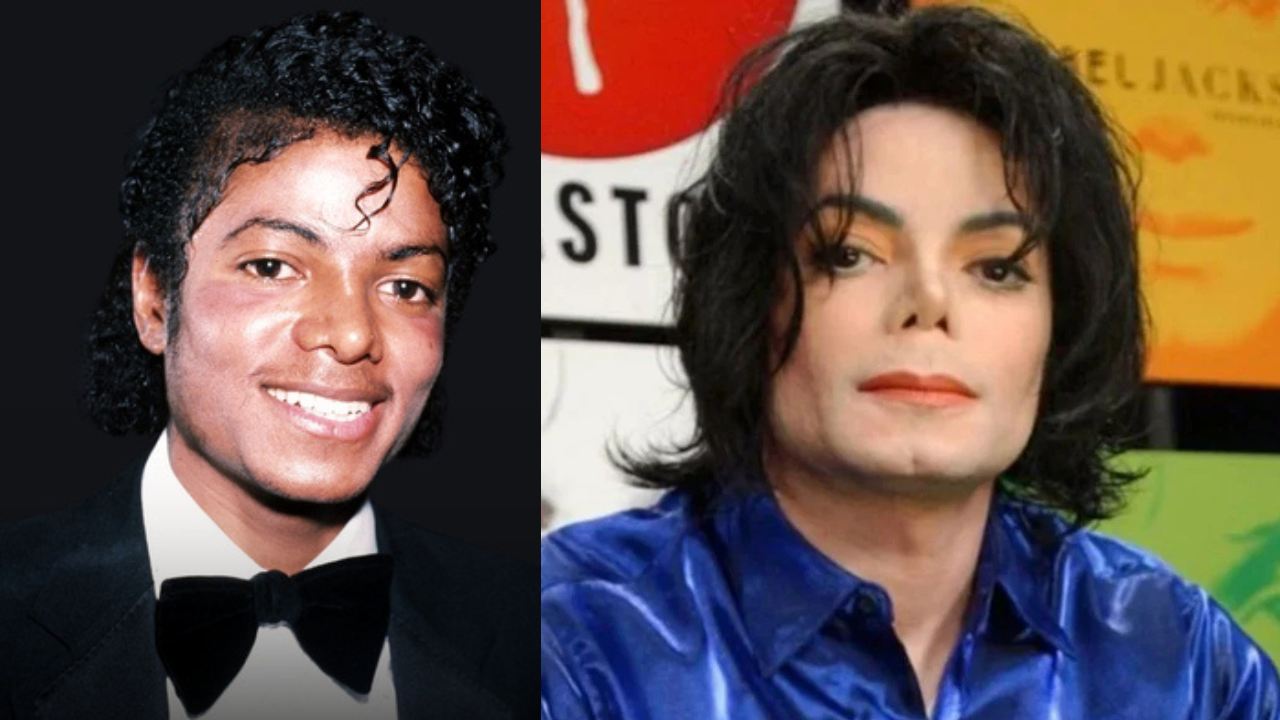
Michael Jackson remains one of the most iconic and enigmatic figures in music history. While his extraordinary talent, revolutionary music videos, and electrifying performances captivated billions worldwide, his dramatically changing appearance became one of the most discussed aspects of his life. The transformation of his face over the decades sparked endless speculation, gossip, and controversy. But behind the tabloid headlines and public fascination lies a far more complex and tragic story—one involving childhood trauma, medical necessity, debilitating health conditions, and the crushing weight of fame. This comprehensive exploration examines the real reasons why Michael Jackson underwent extensive plastic surgery, moving beyond rumors to understand the human struggles that drove one of the world’s biggest stars to continually alter his appearance.
Quick Info
| Category | Details |
|---|---|
| First Procedure | 1979 – Rhinoplasty (nose surgery) following a dance accident |
| Primary Procedures | Multiple rhinoplasties (nose jobs), chin cleft surgery, cheekbone alterations, eyelid surgery |
| Medical Conditions | Vitiligo (skin depigmentation disorder), lupus, severe scalp burns from the 1984 Pepsi commercial accident |
| Childhood Influence | Frequent teasing from his father, Joe Jackson, about his nose and appearance |
| Suspected Psychological Condition | Body Dysmorphic Disorder (BDD) (widely discussed by commentators but never officially diagnosed publicly) |
| Duration of Surgeries | Approximately 1979 until his death in 2009 |
| Public Position | Michael Jackson acknowledged having a limited number of cosmetic procedures but denied many of the extensive claims reported by the media |
Understanding the Man Behind the Transformation
Before diving into the specific reasons for Michael Jackson’s plastic surgery, it’s essential to understand the immense pressure and unique circumstances that shaped his life. Jackson was thrust into the spotlight at age five as the youngest member of The Jackson 5. He spent his entire childhood performing, with virtually no privacy or normal developmental experiences. By his twenties, he had become the biggest solo artist in the world, with “Thriller” becoming the best-selling album of all time.
This level of fame came with relentless scrutiny. Every aspect of his appearance was photographed, analyzed, criticized, and discussed by millions. Unlike most people who can work through insecurities privately, Jackson’s face was literally examined under the microscope of global media attention. This context is crucial for understanding why someone might become obsessively focused on perceived physical flaws.
The Roots of Insecurity: Childhood Trauma and Joe Jackson’s Criticism
A Father’s Cruel Words
One of the most significant factors contributing to Michael Jackson’s plastic surgery journey began long before he ever went under the knife. During his childhood, his father Joe Jackson—the patriarch who managed The Jackson 5 with an iron fist—frequently made cruel comments about young Michael’s appearance, particularly targeting his nose.
Multiple biographers, family members, and Jackson himself have documented how Joe would tease him by calling him “Big Nose” and making disparaging remarks about his facial features. For a sensitive child already dealing with the pressures of performing and the loss of a normal childhood, these comments from a father figure were devastating.
The Psychological Impact
Child development experts understand that critical comments from parents during formative years can create lasting psychological scars. When a parent—especially one as dominant and intimidating as Joe Jackson was reported to be—repeatedly criticizes a child’s physical appearance, it can establish deep-seated insecurities that persist throughout life.
Jackson himself spoke about this in interviews, acknowledging that his father’s comments made him extremely self-conscious about his nose. He would look in the mirror and see the feature his father mocked, creating a distorted self-image that no amount of reassurance from others could fully correct.
This childhood trauma laid the groundwork for what would become a lifelong struggle with body image. Even as millions of fans around the world found him attractive and talented, Jackson couldn’t escape the internalized voice of criticism that began in his youth.
The Medical Beginning: The 1979 Dance Accident
When Surgery Became Necessary
Contrary to popular belief, Michael Jackson’s first rhinoplasty wasn’t purely cosmetic—it was medically necessary. In 1979, during a dance routine, Jackson fell and broke his nose. The injury required surgical intervention to repair the damage and restore proper breathing function.
This initial surgery was performed by Dr. Steven Hoefflin, who would become Jackson’s primary plastic surgeon for years to come. While the procedure was medically indicated, Jackson was reportedly unhappy with the results. He felt his nose still looked too large and didn’t achieve the aesthetic he desired.
The Beginning of a Pattern
This dissatisfaction with the initial rhinoplasty results set off a pattern that would continue for decades. Jackson sought corrective procedures to address what he perceived as flaws in the original surgery. Each subsequent rhinoplasty aimed to refine the results of the previous one, but often led to further dissatisfaction and a desire for additional alterations.
Medical professionals who have analyzed Jackson’s transformation note that multiple rhinoplasties can compromise the structural integrity of the nose. The cartilage and tissue can only be revised so many times before complications arise, which may explain why Jackson’s nose appeared increasingly altered and fragile in his later years.
The Pepsi Commercial Disaster: Burns That Changed Everything
The 1984 Accident
One of the most significant and often overlooked factors in Michael Jackson’s appearance transformation occurred on January 27, 1984. While filming a Pepsi commercial at the Shrine Auditorium in Los Angeles, a pyrotechnics malfunction caused Jackson’s hair to catch fire. He suffered severe second- and third-degree burns to his scalp.
The accident was captured on video and showed flames engulfing Jackson’s head for several seconds before being extinguished. He was rushed to Cedars-Sinai Medical Center, where he underwent treatment for serious burns that affected a significant portion of his scalp.
The Long-Term Consequences
The burns required multiple reconstructive surgeries and ongoing treatments. The scarring on his scalp was permanent and extensive, leading Jackson to wear wigs and hairpieces for the rest of his life. But the impact went beyond just his hair.
The pain management for these burns reportedly introduced Jackson to prescription painkillers, beginning what would become a long struggle with medication dependency. Additionally, the reconstructive procedures required to address the burn damage involved surgical work on his face and head, contributing to changes in his overall appearance.
Some medical experts who have studied Jackson’s case believe the burn accident and subsequent treatments may have accelerated his pursuit of additional cosmetic procedures, as he became more familiar with and dependent on surgical interventions to address physical issues.
Vitiligo and Lupus: The Medical Conditions That Changed His Skin
Understanding Vitiligo
Perhaps no aspect of Michael Jackson’s transformation generated more speculation and misinformation than the dramatic lightening of his skin. For years, tabloids and critics accused him of deliberately bleaching his skin to appear white, fueling racist narratives and cruel speculation.
The truth, confirmed by his autopsy report after his death in 2009, was that Jackson suffered from vitiligo—a chronic autoimmune disorder that causes the loss of melanin, resulting in patches of depigmented skin. The condition affects people of all races but is more visually apparent in individuals with darker skin tones.
The Psychological Toll of Vitiligo
Vitiligo typically creates uneven, blotchy patches across the body and face. For someone already struggling with body image issues and living under intense public scrutiny, the visible progression of this condition would have been psychologically devastating.
Rather than appearing in public with the irregular patches, Jackson worked with dermatologists to even out his skin tone. This involved using depigmenting creams (not “bleaching” as tabloids claimed) to lighten the remaining pigmented areas to match the vitiligo patches. He also used heavy makeup to create a more uniform appearance.
The Lupus Diagnosis
Jackson was also diagnosed with lupus, another autoimmune disorder that can cause skin sensitivity, inflammation, and other symptoms. Lupus can make the skin more vulnerable to sun damage, which explained Jackson’s frequent use of umbrellas outdoors and his reluctance to be in direct sunlight.
The combination of vitiligo and lupus meant Jackson was dealing with serious medical conditions that directly affected his appearance—conditions he had no control over and that required ongoing medical management.
Body Dysmorphic Disorder: The Suspected Psychological Factor
What Is Body Dysmorphic Disorder?
Many medical professionals and psychologists who have studied Michael Jackson’s case believe he likely suffered from Body Dysmorphic Disorder (BDD). This mental health condition is characterized by an obsessive preoccupation with perceived flaws in physical appearance—flaws that are often minor or imperceptible to others.
People with BDD repeatedly check their appearance in mirrors, seek reassurance about their looks, and may pursue multiple cosmetic procedures in an attempt to “fix” the perceived problems. However, because the issue is psychological rather than physical, no amount of surgery provides lasting satisfaction.
The Pattern of Behavior
Jackson’s surgical history shows a pattern consistent with BDD:
- Repeated procedures on the same areas (especially his nose) despite previous surgeries
- Increasing dissatisfaction with results that others found acceptable
- Continuing alterations even when friends and family expressed concern
- Distorted self-perception evidenced by his apparent inability to see what others saw when looking at his face
The Perfect Storm for BDD
Several factors in Jackson’s life created ideal conditions for BDD to develop and flourish:
- Childhood criticism establishing deep insecurities
- Constant public scrutiny amplifying awareness of every facial feature
- Hollywood beauty standards creating pressure to maintain a youthful, perfect appearance
- Access to surgeons willing to perform procedures
- Financial resources to afford unlimited surgeries
Unlike most people with BDD who may be limited by finances or access to surgeons, Jackson had unlimited resources to act on every perceived flaw, making it nearly impossible for him to escape the cycle of surgical “corrections.”
The Pressure of Fame and Hollywood Beauty Standards
The Impossible Standards of Stardom
Being the world’s most famous entertainer in the 1980s and 1990s meant Jackson was constantly compared to other stars, many of whom also underwent cosmetic procedures to maintain their looks. Hollywood’s obsession with youth and physical perfection created an environment where plastic surgery was normalized and even expected.
As Jackson aged, the pressure to maintain his youthful appearance—so central to his image as a performer—intensified. In an industry where careers can end based on appearance, the incentive to pursue cosmetic interventions was enormous.
The Tabloid Culture
The rise of tabloid journalism in the 1980s and 1990s meant Jackson’s changing appearance became fodder for endless speculation, mockery, and sensationalized stories. Every public appearance generated headlines analyzing his face, comparing photos from different years, and making cruel jokes about his appearance.
This relentless negative attention likely reinforced any dysmorphic tendencies and created a vicious cycle: the more his appearance changed, the more negative attention he received, which may have driven him to pursue further procedures to “fix” the problems being pointed out by critics.
What Procedures Did Michael Jackson Actually Have?
Confirmed and Suspected Surgeries
Based on medical expert analysis, comparison of photographs over the years, and statements from people close to Jackson, the following procedures are believed to have been performed:
Rhinoplasty (Nose Job): Multiple procedures over the years, starting with the medically necessary surgery in 1979. His nose became progressively narrower and more sculpted, eventually appearing fragile and requiring support.
Chin Cleft: Jackson had a cleft added to his chin, creating a dimple that wasn’t present in his youth.
Cheek Implants: His cheekbones became more prominent and defined over the years, likely through implants or fat grafting.
Eyelid Surgery: Subtle alterations to his eyes, possibly including procedures to create wider, more open-looking eyes.
Skin Treatments: Beyond managing vitiligo, various skin treatments to maintain smoothness and address aging.
Lip Alterations: His lips appeared thinner in later years, possibly through tattooing or other cosmetic procedures.
What Jackson Admitted
Jackson himself admitted to having two rhinoplasties and a cleft put in his chin. He attributed his changing skin tone to vitiligo and maintained that many other rumored procedures never occurred. However, photographic evidence and medical expert analysis suggest the extent of his surgical interventions was greater than he publicly acknowledged.
The Tragic Consequences
Physical Complications
Multiple rhinoplasties took a severe toll on Jackson’s nasal structure. In his later years, he was reportedly experiencing breathing difficulties and structural problems with his nose. Some reports suggested he required a prosthetic nose for public appearances, though this has never been definitively confirmed.
The numerous procedures also affected his ability to perform. The physical demands of his energetic dance routines became more challenging as he dealt with the aftereffects of surgeries and the ongoing management of his medical conditions.
Psychological Impact
Despite all the surgeries, Jackson never seemed satisfied with his appearance. Friends and colleagues reported that he remained deeply insecure, continuing to see flaws that others didn’t perceive. The surgeries that were meant to address his insecurities instead became a source of public ridicule, adding to his psychological burden.
Social Isolation
As his appearance became more altered and tabloid scrutiny intensified, Jackson became increasingly reclusive. He wore masks and disguises in public, avoided mirrors, and reportedly surrounded himself with people who wouldn’t question his choices or challenge his perceptions.
Frequently Asked Questions About Michael Jackson’s Plastic Surgery
Did Michael Jackson bleach his skin?
No, Michael Jackson did not bleach his skin. He suffered from vitiligo, a confirmed medical condition that causes loss of skin pigmentation. His autopsy report verified this diagnosis. To manage the uneven skin tone caused by vitiligo, he used depigmenting creams and makeup to even out his appearance, but this was a medical treatment for a real condition, not an attempt to change his race.
How many nose jobs did Michael Jackson have?
While Jackson admitted to two rhinoplasties, medical experts who have analyzed his transformation believe he likely had significantly more—possibly six or more nose surgeries over the years. The progressive changes to his nose’s size, shape, and structure suggest multiple interventions beyond what he publicly acknowledged.
Why did Michael Jackson’s nose look so different in later years?
Multiple rhinoplasties compromised the structural integrity of Jackson’s nose. When cartilage and tissue are repeatedly revised through surgery, complications can arise, including collapse of the nasal structure, scarring, and difficulty maintaining the nose’s shape. This likely explains why his nose appeared increasingly narrow, sculpted, and in some photos, damaged.
Did Michael Jackson have Body Dysmorphic Disorder?
While never formally diagnosed publicly, many mental health professionals who have studied Jackson’s case believe he exhibited classic symptoms of Body Dysmorphic Disorder (BDD). His pattern of repeated surgeries, continued dissatisfaction with his appearance despite procedures, and apparent inability to see what others saw when looking at his face all align with BDD criteria.
What started Michael Jackson’s plastic surgery journey?
Jackson’s first rhinoplasty in 1979 was medically necessary after he broke his nose in a dance accident. However, the roots of his cosmetic surgery journey trace back to childhood trauma—specifically his father Joe Jackson’s cruel teasing about his nose and appearance, which created deep-seated insecurities that persisted throughout his life.
What role did Hollywood beauty standards play in his surgery decisions?
As one of the world’s most famous entertainers, Jackson faced immense pressure to maintain a youthful, perfect appearance according to Hollywood standards. The entertainment industry’s obsession with physical perfection, combined with his global fame and constant media scrutiny, created an environment where cosmetic procedures seemed necessary to maintain his career and public image.
Could better mental health support have prevented Jackson’s extensive surgeries?
Many experts believe that proper psychological treatment, particularly for suspected Body Dysmorphic Disorder and the trauma from his childhood, might have helped Jackson develop healthier coping mechanisms. However, the combination of unlimited resources, access to willing surgeons, and the culture of his era made intervention difficult. Additionally, the stigma around mental health treatment at the time may have prevented him from seeking help.
What did Michael Jackson’s autopsy reveal about his appearance?
Jackson’s 2009 autopsy confirmed several important facts: he had vitiligo (disproving “skin bleaching” rumors), he had extensive tattooing (including permanent makeup on his eyebrows and lips), and there was evidence of multiple cosmetic procedures. The autopsy helped verify his claims about medical conditions while also confirming the extent of cosmetic interventions.
Conclusion: Understanding Rather Than Judging
The story of Michael Jackson’s plastic surgery is not simply a tale of vanity or celebrity excess—it’s a tragic narrative of childhood trauma, medical conditions, psychological struggles, and the crushing weight of unprecedented fame. From his father’s cruel teasing that planted seeds of insecurity, to the medically necessary surgery that began a decades-long journey, to the medical conditions he couldn’t control, to the suspected Body Dysmorphic Disorder that drove him to continually seek surgical “corrections,” Jackson’s transformation reflects profound human suffering.
Understanding the complex reasons behind his surgeries requires moving beyond tabloid sensationalism to recognize the real person behind the icon. Jackson was dealing with vitiligo and lupus—real medical conditions requiring treatment. He suffered severe burns that required reconstructive surgery. He carried childhood trauma that distorted his self-image. And he lived under a microscope of global scrutiny that would challenge anyone’s mental health.
Rather than serving as an object lesson in the dangers of “too much” plastic surgery, Michael Jackson’s story should prompt deeper conversations about:
- The lasting impact of childhood emotional abuse and how parents’ words shape children’s self-perception
- The need for mental health support in the entertainment industry
- The ethics of cosmetic surgery when psychological issues may be driving the requests
- The role of media in amplifying insecurities and creating unrealistic beauty standards
- The importance of proper treatment for conditions like Body Dysmorphic Disorder
Michael Jackson’s extraordinary talent brought joy to billions, yet he struggled to find peace with his own reflection. His surgical journey wasn’t about rejecting his identity or pursuing perfection—it was about trying to escape pain, insecurity, and a distorted self-image that no amount of surgery could truly fix. Understanding this truth allows us to view his transformation with compassion rather than judgment, recognizing the human struggles behind the headlines and honoring the complete story of one of music’s most complex and talented figures.