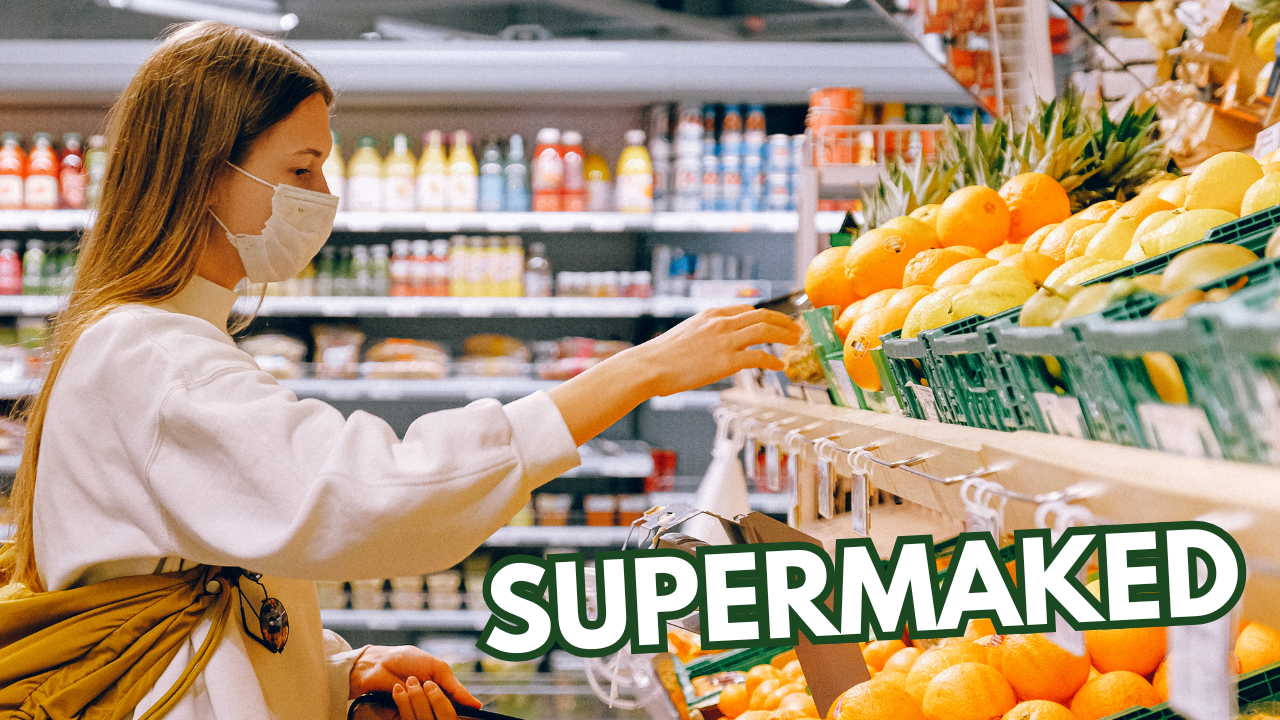
Quick Info
- Definition: A self-service retail store offering a wide variety of food and household products
- Average Store Size: 40,000 to 60,000 square feet
- Product Categories: Groceries, produce, dairy, meat, bakery, and household items
- Operating Hours: Typically 7 AM to 11 PM (varies by location)
- Average Shopping Trip Duration: 30-45 minutes
What is a Supermaked?
A supermarket is a large self-service retail establishment that offers a comprehensive selection of food products, beverages, and household items under one roof. Unlike traditional grocery stores or corner shops, supermarkets provide customers with the convenience of finding everything they need for their daily lives in one convenient location. The supermarket concept revolutionized shopping habits when it first emerged in the early 20th century, transforming the way families purchase groceries and household essentials.
The modern supermarket operates on the principle of self-service, allowing customers to select their own items and proceed to checkout. This model has proven incredibly efficient and has become the standard for grocery shopping in most developed countries. Today, supermarkets range from small neighborhood stores to massive hypermarkets, but they all share the common goal of providing convenient, affordable access to a variety of products.
The History and Evolution of Supermarkets
The Early Days
The first supermarket is widely credited to be King Kullen, which opened in 1930 in Queens, New York. However, Piggly Wiggly, founded in 1916 in Memphis, Tennessee, is often recognized as the first self-service grocery store, which laid the groundwork for the modern supermarket concept. These pioneering stores introduced the revolutionary idea of customers selecting their own products from shelves rather than asking a clerk behind a counter.
The concept quickly gained popularity because it offered customers more choice, lower prices through bulk purchasing, and a more convenient shopping experience. By the 1950s, supermarkets had become a dominant force in the retail landscape across North America and Europe.
Modern Developments
The evolution of supermarkets has been marked by technological advancement and changing consumer preferences. The introduction of barcode scanning in the 1970s revolutionized inventory management and checkout processes. Today’s supermarkets feature self-checkout kiosks, online ordering systems, and loyalty programs designed to enhance the shopping experience.
Recent trends have seen supermarkets adapting to changing consumer demands, including organic products, locally sourced items, and health-conscious options. The rise of e-commerce and food delivery services has also pushed traditional supermarkets to innovate and offer online shopping and delivery options to remain competitive.
Supermarket Layout and Design
Strategic Product Placement
Supermarkets are designed with careful consideration to customer flow and purchasing behavior. The layout typically places essential items like milk, bread, and eggs at the back or sides of the store, encouraging customers to walk through more aisles and encounter other products. This strategic placement is a proven technique to increase sales and customer engagement.
Fresh produce departments usually occupy a prominent position near the entrance, as colorful displays of fruits and vegetables create an inviting atmosphere. The bakery and deli sections are often positioned to fill the store with appealing aromas, which research shows can positively influence purchasing behavior and overall shopping satisfaction.
Different Store Sections
The typical supermarket is organized into distinct departments to help customers locate products efficiently. The produce section features fresh fruits and vegetables, while the dairy section maintains refrigerated products like milk, cheese, and yogurt. The meat department offers various cuts of beef, poultry, and pork, often with in-store butchers available for custom cuts.
The grocery section contains shelf-stable items like canned goods, pasta, cereals, and pantry staples. Frozen foods occupy dedicated freezer sections, while household items, toiletries, and non-food products typically occupy the perimeter or dedicated aisles. Many modern supermarkets also include pharmacies, floral departments, and deli counters.
Types of Supermarkets and Retail Models
Full-Service Supermarkets
Full-service supermarkets represent the traditional model and typically stock between 30,000 and 50,000 different products. These stores offer complete shopping experiences with multiple departments, knowledgeable staff, and services like butcher counters, bakeries, and customer service desks. They cater to families and individuals seeking variety and quality.
Hypermarkets
Hypermarkets are massive retail spaces often exceeding 100,000 square feet, combining supermarket groceries with general merchandise like clothing, electronics, and household goods. Retailers like Walmart and Carrefour pioneered this model, offering truly one-stop shopping experiences. Hypermarkets typically offer lower prices due to high-volume purchasing and reduced operating costs per item.
Discount Supermarkets
Discount supermarkets like Aldi and Lidl have gained significant market share by offering limited product selection at competitive prices. These stores typically carry 1,500 to 2,000 items compared to 30,000-50,000 in traditional supermarkets. Their streamlined operations, minimal decor, and focus on private-label products allow them to maintain lower prices.
Organic and Specialty Supermarkets
Stores like Whole Foods represent a growing market segment focused on organic, natural, and specialty products. These supermarkets cater to health-conscious consumers willing to pay premium prices for specific product qualities. They often emphasize sustainability, local sourcing, and ethical practices.
Services Offered at Modern Supermarkets
In-Store Services
Modern supermarkets have expanded beyond basic grocery sales to offer numerous services that enhance customer convenience. Many feature in-house pharmacies where customers can fill prescriptions while shopping. Deli counters provide freshly prepared foods, ready-to-eat meals, and custom meat preparations.
Floral departments allow customers to purchase fresh flowers or pre-arranged bouquets. Many supermarkets offer banking services, allowing customers to withdraw cash or conduct banking transactions. Some even feature Starbucks cafes, sushi bars, or prepared food sections where customers can grab quick meals.
Technology-Based Services
The integration of technology has transformed supermarket services dramatically. Online shopping with home delivery options allows customers to order groceries from their computers or smartphones and have items delivered to their homes. Click-and-collect services enable customers to order online and pick up items at their convenience.
Self-checkout systems have reduced wait times at traditional registers, while loyalty programs track purchases and offer personalized discounts and rewards. Mobile apps provide shopping lists, digital coupons, and real-time inventory checking, allowing customers to determine product availability before visiting the store.
Shopping Experience and Customer Journey
Planning Your Shopping Trip
Effective supermarket shopping begins before entering the store. Creating a shopping list based on meal plans ensures you purchase necessary items and reduces impulse buying. Checking store flyers and digital coupons before shopping can lead to significant savings on planned purchases.
Understanding the supermarket’s layout and locating departments can streamline your shopping trip and save valuable time. Many supermarkets provide store maps online or at customer service desks. Shopping during off-peak hours, typically mid-morning on weekdays, offers a more pleasant experience with shorter lines and less crowding.
Making Smart Purchasing Decisions
Shopping smart involves more than just buying products on sale. Comparing unit prices helps identify the best value, as larger packages don’t always offer lower per-unit costs. Reading ingredient lists and nutritional information enables informed choices about product quality and health aspects.
Seasonal shopping maximizes both savings and nutritional value, as produce costs less and tastes better when in season. Building relationships with butchers, produce managers, and other staff members can provide valuable advice on product selection and preparation. Purchasing store-brand products typically offers comparable quality at lower prices than name brands.
The Economics of Supermarkets
Pricing Strategies
Supermarkets employ various pricing strategies to remain competitive while maintaining profitability. Loss-leader pricing uses deeply discounted popular items to attract customers, with the expectation that they’ll purchase other products at regular margins. This strategy drives foot traffic and increases overall sales volume.
Dynamic pricing adjusts prices based on demand, competition, and inventory levels. Premium pricing on specialty or organic items reflects higher costs and perceived value. Promotional pricing and temporary discounts create urgency and encourage purchases of slower-moving inventory items.
Profit Margins and Operating Costs
Supermarket profit margins are typically quite thin, often between 1-3% for traditional grocers. High operating costs including labor, rent, utilities, and inventory management require high sales volumes to generate profitability. Successful supermarkets achieve profitability through volume sales, efficient operations, and diversified revenue streams including pharmacy, fuel, and financial services.
Supply chain efficiency dramatically impacts profitability. Supermarkets negotiate directly with suppliers, purchase in massive volumes, and operate sophisticated distribution networks to minimize costs. Waste reduction through careful inventory management and donation programs also improves financial performance.
Sustainability and Social Responsibility
Environmental Initiatives
Modern supermarkets are increasingly adopting sustainable practices to reduce environmental impact. Many have eliminated plastic bags, encouraging reusable alternatives or charging for disposable bags. Initiatives to reduce packaging waste, including bulk buying options and minimalist product packaging, help decrease landfill contributions.
Energy-efficient lighting, refrigeration systems, and HVAC equipment reduce supermarkets’ carbon footprints. Some retailers have invested in solar panels and other renewable energy sources. Waste reduction programs, including food donation initiatives and composting programs, address both environmental concerns and food insecurity.
Community Engagement
Supermarkets play important roles in their communities, often partnering with local food banks to donate unsold but still-safe products. Many sponsor local schools, sports teams, and community events. Employment opportunities, particularly for entry-level workers, provide important income sources for many families.
Community-supported agriculture (CSA) programs connect customers directly with local farmers, supporting regional agriculture while providing fresh produce. Some supermarkets host workshops on nutrition, cooking, and healthy living, contributing to community wellness initiatives.
Challenges Facing the Supermarket Industry
Competition from E-Commerce
Online grocery shopping and meal delivery services present significant challenges to traditional supermarkets. Amazon Fresh, Instacart, and regional delivery services offer convenience without requiring store visits. This shift has forced traditional retailers to develop robust online presence and delivery capabilities to remain competitive.
The overhead costs of maintaining physical locations, including rent and staffing, make it difficult for traditional supermarkets to compete on price with leaner online-only models. Adapting to changing consumer preferences while maintaining profitability remains an ongoing challenge.
Labor and Wage Issues
Supermarket employees face demanding work conditions with modest wages and limited benefits. High turnover rates increase training costs and reduce service quality. Rising minimum wage expectations and worker organizing efforts have increased labor costs, squeezing already-thin profit margins.
Creating positive work environments, offering competitive wages, and providing career development opportunities are increasingly important for attracting and retaining quality employees.
Supply Chain Disruptions
Global supply chain disruptions, whether from pandemics, natural disasters, or geopolitical events, can severely impact supermarket operations. Logistics challenges, transportation costs, and product shortages create operational difficulties and customer frustration.
Building resilient supply chains with multiple suppliers, strategic inventory buffers, and flexible sourcing options is essential for navigating an increasingly unstable global environment.
Frequently Asked Questions
General Questions About Supermarkets
Q: What’s the difference between a supermarket and a grocery store?
A: While the terms are often used interchangeably, grocery stores are typically smaller with limited departments, while supermarkets are larger with comprehensive product selections including fresh departments, pharmacies, and multiple services. Supermarkets usually carry 30,000+ items compared to a few thousand in traditional grocery stores.
Q: What are supermarket loyalty programs?
A: Loyalty programs reward regular customers with discounts, personalized offers, and exclusive deals based on their purchase history. Customers earn points on purchases that can be redeemed for discounts or products. These programs provide supermarkets with valuable customer data for targeted marketing.
Q: Why do supermarkets arrange products the way they do?
A: Store layout is strategically designed to encourage product discovery and increase sales. Essential items are placed far apart to encourage walking through multiple aisles. Eye-level shelves command premium placement. This design maximizes customer exposure to products and increases overall sales volume.
Shopping and Savings Questions
Q: How can I save money at supermarkets?
A: Create shopping lists before visiting, compare unit prices, use digital coupons, shop during sales, purchase store brands, buy seasonal produce, and avoid shopping when hungry. Using loyalty programs and signing up for email newsletters about promotions can also generate significant savings.
Q: What’s the best time to shop at supermarkets?
A: Early morning on weekdays typically offers the best experience with shorter lines, fresher stock, and fewer crowds. Avoiding evenings, weekends, and holidays reduces shopping time and stress. Shopping during off-peak hours also allows more time to carefully select products.
Q: Are store-brand products as good as name brands?
A: Store brands are often manufactured by the same companies that produce name brands but without premium packaging and marketing costs. They typically offer similar quality at lower prices. Comparing ingredient lists and nutritional information confirms quality equivalence.
Product and Service Questions
Q: How fresh are supermarket products?
A: Freshness varies by department and location. Produce quality depends on handling and storage. Requesting newer stock from staff or visiting early when fresh shipments arrive ensures better quality. Understanding expiration dates and selecting products with longer shelf life is important.
Q: Do supermarkets offer organic products?
A: Most supermarkets now carry organic options, though selection and prices vary. Dedicated organic stores offer greater variety but at premium prices. Online ordering allows easier comparison shopping for organic products across different retailers.
Q: What services do supermarket pharmacies offer?
A: In-store pharmacies fill prescriptions, provide medication counseling, and often offer flu shots and other health services. Some offer medication synchronization to help patients manage multiple prescriptions. Many allow customers to transfer prescriptions online or by phone.
Digital and Modern Shopping Questions
Q: How do I order groceries online?
A: Most supermarket chains offer online shopping through their websites or apps. You select products, pay, and choose delivery or pickup options. Delivery typically takes 1-3 days depending on the retailer and your location. Pickup options allow ordering items for same-day or next-day collection.
Q: Are there minimum order amounts for online grocery delivery?
A: Many supermarkets require minimum order amounts, typically $35-$50, for delivery service. Some offer delivery free above certain amounts, while others charge flat or variable fees. Premium membership programs often eliminate minimum orders.
Q: How can I find digital coupons?
A: Digital coupons are available through supermarket apps and websites, email newsletters, and coupon aggregator websites. Loading coupons directly to loyalty cards eliminates physical clipping. Combining digital coupons with sales maximizes savings.
Payment and Membership Questions
Q: What payment methods do supermarkets accept?
A: Most supermarkets accept cash, credit cards, debit cards, mobile payments, and EBT cards for eligible customers. Some locations accept digital wallet systems like Apple Pay and Google Pay. Gift cards are also widely available.
Q: Are supermarket membership programs worth it?
A: Loyalty programs are typically free to join and provide valuable discounts and rewards based on purchase history. Premium memberships sometimes offer additional benefits like free delivery. Calculate potential savings based on your shopping habits to determine value.
Q: Can I use food stamps at supermarkets?
A: Yes, supermarkets accept SNAP benefits (food stamps) for eligible food items. Fruits, vegetables, meat, dairy, and grains are typically eligible, but prepared foods and non-food items are not. Some supermarkets offer online SNAP purchases with eligible items.
Health and Safety Questions
Q: How do supermarkets maintain food safety?
A: Supermarkets follow strict health codes and conduct regular inspections. Temperature-controlled storage, proper handling procedures, and regular cleaning protocols ensure food safety. Staff training on food safety practices is required by law in most jurisdictions.
Q: How often is produce cleaned and inspected?
A: Produce is inspected regularly and removed if damaged or showing spoilage signs. Many supermarkets wash produce before displaying, though customers should still rinse fruits and vegetables at home before consuming. Organic produce is subject to the same safety standards as conventional products.
Q: What should I do if I find spoiled food?
A: Report spoiled products to store management immediately. Most supermarkets will remove items and appreciate customer feedback about freshness issues. Never purchase obviously damaged or spoiled products, and check expiration dates before selecting items.
Environmental and Ethical Questions
Q: Are supermarkets environmentally friendly?
A: Environmental practices vary significantly among supermarkets. Many have implemented sustainable initiatives including reduced plastic use, energy-efficient systems, and waste reduction programs. Choosing supermarkets with strong environmental commitments and supporting these initiatives encourages continued improvement.
Q: Do supermarkets source products ethically?
A: Many supermarkets have committed to ethical sourcing practices for items like coffee, chocolate, and seafood. Certifications like Fair Trade and Marine Stewardship Council indicate products meeting specific ethical standards. Asking staff about sourcing practices encourages transparency and accountability.
Q: How do supermarkets handle food waste?
A: Many supermarkets donate unsold but safe food to food banks and charities. Composting programs convert organic waste into soil amendments. Some have implemented sophisticated inventory management to minimize waste. Consumer support for these programs encourages continued investment.
Conclusion
Supermarkets remain central to modern food distribution and shopping culture despite evolving retail landscapes. Their convenience, product variety, and competitive pricing continue to attract millions of customers daily. Understanding supermarket operations, layout strategies, and shopping techniques helps customers make informed decisions and maximize value.
The supermarket industry faces significant challenges from e-commerce competition and changing consumer preferences, but technological innovation and adapted service models are positioning successful retailers for continued relevance. Supporting supermarkets with strong commitments to sustainability, fair labor practices, and community engagement helps build better food systems.
As consumers, understanding how supermarkets operate empowers us to shop more efficiently, save money, and make choices aligned with our values. Whether you’re a budget-conscious shopper, health-focused consumer, or environmentally aware buyer, today’s supermarkets offer options to meet diverse needs. The future of supermarkets will likely involve greater integration of technology, continued expansion of online services, and increased focus on sustainability and community contribution.