Introduction
“Calamariere” represents an interesting Italian culinary term that, while not extensively documented in English-language culinary resources, refers to someone skilled in the preparation and cooking of calamari—a fundamental seafood ingredient in Mediterranean cuisine. The term exemplifies how Italian culinary vocabulary often includes specific words describing both ingredients and the skilled craftspeople who work with them. Understanding “calamariere” requires exploring both the culinary context of calamari preparation and the broader cultural significance of squid in Italian and Mediterranean cuisine.
Calamari, the squid that forms the basis of the calamariere’s expertise, has been central to Mediterranean coastal cooking for centuries. The transformation of raw squid into delicious prepared dishes requires specific knowledge, technique, and understanding of how different preparation methods affect texture, flavor, and final presentation. The calamariere, whether functioning as professional chef, skilled home cook, or market vendor specializing in squid preparation, demonstrates expertise in this specialized culinary domain.
This article explores the culinary term “calamariere,” the preparation and cooking of calamari, the various methods for preparing squid dishes, the cultural and historical significance of calamari in Italian and Mediterranean cuisine, and the specific techniques and knowledge required to properly prepare this distinctive seafood ingredient.
Understanding the Term “Calamariere”
Etymology and Linguistic Roots
The term “calamariere” derives from Italian, specifically combining “calamari” (squid) with the suffix “-iere,” which in Italian typically denotes a person who practices a specific profession or specializes in a particular craft. The “-iere” suffix appears in various Italian occupational terms—”panettiere” (baker), “pasticciere” (pastry chef), “salumiere” (cured meat specialist)—creating a linguistic pattern identifying specialized craftspeople.
Thus, “calamariere” literally translates to someone who specializes in calamari—a person skilled in selecting, preparing, cooking, and presenting squid in culinary contexts. The term reflects Italian linguistic traditions of creating specific vocabulary for specialized trades and professions, particularly within culinary and food preparation domains.
Regional and Occupational Context
In Italian coastal regions, particularly areas bordering the Mediterranean Sea and Adriatic Sea, the calamariere represents a recognized occupational role. Fishing communities and port cities with strong seafood traditions have historically produced specialized professionals focused on squid preparation and cooking.
The calamariere might function in various contexts: as professional chef in restaurant specializing in seafood, as skilled worker in fish markets preparing squid for retail sale, as home cook renowned for exceptional calamari dishes, or as fishmonger with particular expertise in squid selection and initial preparation. The specific role varies depending on regional context and occupational setting.
Professional Expertise and Knowledge
Someone identified as calamariere possesses specific expertise regarding calamari. This expertise includes:
Selection and Quality Assessment: Understanding how to select quality squid, assessing freshness, evaluating size and condition, and understanding which varieties suit different preparations.
Cleaning Techniques: Knowing proper methods for cleaning squid, removing internal organs, ensuring cleanliness while preserving meat quality, and understanding anatomical structure of squid.
Cutting and Portioning: Skilled cutting of squid into appropriate sizes and shapes—rings for frying, pieces for stewing, whole bodies for grilling—maximizing usable meat and ensuring consistent cooking.
Flavor Development: Understanding how different cooking methods affect calamari’s flavor and texture, knowing which techniques suit particular presentations, and ability to adjust cooking times and temperatures for optimal results.
Sauce and Accompaniment Pairing: Knowledge of traditional and contemporary sauces, accompaniments, and flavor combinations that complement calamari dishes.
Calamari: The Ingredient Foundation
What is Calamari?
Calamari refers to squid prepared as food ingredient. Squid represents marine cephalopod mollusk—creature related to octopus and cuttlefish, characterized by elongated body, eight arms with suckers, and two longer tentacles. The animal’s name derives from Latin term “calamarus,” potentially referencing its quill-like internal structure.
Calamari as food ingredient utilizes the squid’s muscular body and arms. The edible portions include the mantle (main body), arms, tentacles, and occasionally the ink sac used in traditional squid-ink dishes. Different cultures and regional cuisines emphasize different portions and preparation methods.
Nutritional Profile
Calamari offers impressive nutritional characteristics making it valuable protein source in Mediterranean diets. Squid meat is high in protein, low in fat, and contains minimal carbohydrates. Typical calamari serving provides substantial protein with relatively few calories, particularly when prepared through methods minimizing added fat.
Beyond macronutrients, calamari provides various micronutrients including selenium, vitamin B12, phosphorus, and omega-3 fatty acids. These nutritional characteristics have contributed to calamari’s valued place in Mediterranean diets historically associated with longevity and health benefits.
Flavor and Texture Characteristics
Raw squid possesses mild, slightly sweet flavor somewhat reminiscent of other shellfish. The meat is naturally tender when fresh, though it can become tough if improperly cooked. The distinctive characteristic of calamari cuisine involves achieving proper texture—tender and pleasant rather than rubber-like or excessively chewy.
This texture consideration is crucial to calamari cookery. Proper preparation requires either quick, high-heat cooking that maintains tenderness, or slow stewing that gradually tenderizes tissue. Intermediate cooking temperatures and times often produce undesirable rubbery texture, explaining why experienced calamarieri understand specific cooking methodologies.
Varieties and Regional Differences
Different squid species exist globally, with variations in size, flavor, and texture. Mediterranean calamari varieties include European squid (Loligo vulgaris) and other species suited to regional cuisines. Different regions have developed preferences for particular varieties based on local availability and culinary traditions.
Size variations affect preparation suitability. Smaller squid (calamari) work well for frying whole or cutting into rings, while larger specimens might better suit grilling or stewing preparations. A skilled calamariere understands these distinctions and selects appropriate specimens for intended preparations.
Traditional Calamari Preparation Methods
Cleaning and Initial Preparation
Proper calamari preparation begins with thorough cleaning—a process requiring knowledge and care to preserve meat quality while ensuring complete cleanliness. The cleaning process involves several steps:
Removing the Head and Organs: The squid’s head contains eyes and brain, while internal organs are housed within the mantle cavity. These must be carefully removed, separating edible arm and mantle portions from inedible internal organs.
Removing the Quill: Squid possess internal quill structure (cartilaginous remnant of ancestral shell) that must be removed from mantle before cooking.
Cleaning the Mantle: The outer skin of the mantle often contains pigmentation and ink sac remnants that require rinsing away. Some preparations retain the skin for flavor and color, while others remove it for lighter appearance.
Preparing Arms and Tentacles: The eight arms and two longer tentacles require separation, cleaning, and removal of the hard suckers (small disc-like structures used for gripping) depending on preparation method.
This cleaning process, while straightforward in description, requires practice and proper technique to accomplish efficiently while minimizing meat loss. A skilled calamariere performs these steps quickly and effectively, understanding anatomy and proper knife techniques.
Cutting and Portioning Techniques
Once cleaned, calamari must be cut appropriately for intended preparation. Different cutting methods serve different culinary purposes:
Rings: The most common cutting method for frying. The mantle is sliced crosswise into rings of consistent thickness (typically ¼ to ½ inch), creating the characteristic “calamari rings” popular in restaurants. Consistent thickness ensures even cooking.
Strips: Lengthwise cuts of mantle create strips suitable for sautéing or stewing. Strips offer different texture than rings and work well in composed dishes with sauce.
Chunks: Larger pieces used in stews, pasta sauces, or composed dishes where calamari represents component ingredient rather than primary focus.
Whole: Small squid may be left whole or halved for grilling, broiling, or whole-animal preparations emphasizing the squid’s natural form.
Tentacles: Arms and tentacles may be separated into individual pieces, left whole, or halved depending on size and preparation. These portions cook slightly faster than mantle due to reduced thickness.
A calamariere understands how cutting affects cooking time, texture, and presentation. Consistent sizing ensures even cooking, while appropriate cutting methods suit specific cooking techniques and final presentations.
Initial Tenderizing Approaches
While fresh squid is naturally tender, some preparations benefit from tenderizing techniques increasing tenderness or reducing cooking time. Traditional methods include:
Mechanical Tenderizing: Gently pounding squid with meat mallet breaks down muscle fibers slightly, reducing cooking time. This technique requires care to tenderize without tearing meat or creating mushy texture.
Marinating: Acidic marinades with lemon juice or vinegar begin breaking down muscle proteins, partially tenderizing meat before cooking. The acid also seasons the meat, adding flavor complexity.
Salt Curing: Traditional salt-curing methods developed in Mediterranean regions partially dehydrate squid, concentrating flavors and creating distinctive texture. This preparation requires specific timing and technique.
These tenderizing approaches, employed by experienced calamarieri, prepare squid for cooking methods requiring less time or affecting texture in specific ways.
Cooking Methods and Techniques
Frying: The Most Common Preparation
Pan-frying or deep-frying represents the most popular calamari cooking method, particularly in Mediterranean restaurants. The technique involves several key elements:
Heat and Oil Temperature: Proper oil temperature (typically 350-375°F for frying) is crucial. Temperature that is too low produces greasy, soggy results. Temperature that is too high burns exterior while leaving interior undercooked.
Dry Preparation: Before frying, calamari should be thoroughly dried. Moisture interferes with proper browning and contributes to splattering oil. Drying is often accomplished through patting with paper towels or allowing brief air-drying period.
Breading and Seasoning: Most fried calamari is lightly dusted with flour (sometimes mixed with seasonings like salt, pepper, or herbs) before frying. The light coating creates golden exterior while allowing squid’s flavor to remain prominent.
Cooking Time: Fried calamari cooks very quickly—typically 1-2 minutes total. Experienced cooks develop intuition for proper doneness, recognizing when exterior is golden and interior has reached appropriate temperature without becoming tough.
Finishing: Properly fried calamari is drained briefly on paper towels to remove excess oil, then served immediately while exterior remains crispy. Delaying service allows crust to lose crispness, creating inferior texture.
The quick-cooking nature of fried calamari means timing is critical. A skilled calamariere works efficiently, maintaining proper oil temperature and knowing exact cooking times for consistency.
Grilling: Emphasizing Char and Smokiness
Grilling squid, particularly whole small specimens or large pieces, creates distinctive char flavor and appealing visual presentation. The grilling method emphasizes squid’s natural flavors while adding smoky complexity:
Preparation: Squid destined for grilling is often marinated in olive oil, lemon juice, garlic, and herbs for 30 minutes to several hours. The marinating adds flavor while the oil prevents sticking during cooking.
Temperature and Timing: High-heat grilling creates exterior char while maintaining tender interior. Properly grilled calamari cooks in 2-3 minutes per side for medium pieces, with cooking time varying based on thickness.
Smoke and Flavor Development: The direct heat creates Maillard reaction browning meat surface, developing complex flavors. Smoke from grill (if wood-fired) adds additional flavor dimensions.
Finished Presentation: Grilled calamari is typically finished with fresh lemon juice, olive oil drizzle, and perhaps parsley or other fresh herbs. The simplicity of finishing emphasizes calamari’s natural flavor.
Grilled calamari showcases ingredient quality and cooking skill. Simple preparation method allows no hiding of inferior ingredients or technique flaws.
Sautéing: Quick, Flavorful Preparation
Sautéing represents middle ground between quick frying and longer stewing, allowing calamari to cook through while developing flavor through contact with pan and seasonings:
Pan Selection and Heating: Large shallow pan or skillet is preheated with adequate oil or butter. Proper heating ensures calamari makes immediate contact with hot surface, beginning cooking process quickly.
Ingredient Addition: Prepared calamari is added to hot pan along with seasonings, garlic, and other aromatics. The sizzle of contact indicates proper temperature. Calamari should not be crowded; pieces should have surface contact with pan rather than steaming in their own moisture.
Cooking Time: Sautéed calamari typically cooks 3-5 minutes depending on size and thickness. During cooking, frequent stirring or turning ensures even cooking and prevents sticking.
Sauce Integration: Often sautéing is medium for creating flavorful sauce or completed dish. Tomato sauce, wine-based reductions, or other liquids may be added partway through cooking, creating finished dish rather than component ingredient.
Sautéed calamari offers versatility, working in numerous prepared dishes while maintaining relatively simple preparation.
Stewing: Slow Cooking for Maximum Tenderness
While quick cooking methods preserve calamari’s inherent tenderness, stewing offers different approach emphasizing long, slow cooking that creates distinctive texture and flavor:
Initial Browning: Stewed calamari typically begins with browning pieces in oil, developing exterior crust that contributes flavor to finished dish.
Liquid Addition: After browning, liquid (typically wine and broth, or tomato-based liquid) is added, creating braising environment. The cooking liquid should partially cover calamari, with some pieces emerging from liquid.
Extended Cooking: Stewing proceeds slowly, at gentle simmer, for 45 minutes to several hours depending on squid size and desired tenderness. Long cooking gradually tenderizes calamari meat through collagen breakdown, resulting in very tender final texture.
Flavor Development: Throughout extended cooking, calamari absorbs flavors from cooking liquid while imparting its own subtle flavor, creating complex taste profile. Vegetables, garlic, herbs, and other seasonings cook with calamari, creating unified dish.
Finished Texture: Properly stewed calamari becomes very tender, almost melting consistency, distinctly different from quick-cooked preparations. This tender texture appeals to those concerned about calamari toughness.
Stewed calamari dishes are traditional in Mediterranean cuisine, particularly in Italian, Spanish, and Greek preparations.
Boiling and Poaching: Gentle Cooking Methods
Less common in contemporary cuisine but traditional in some preparations, boiling or poaching calamari in salted water or broth offers gentle cooking method:
Water Selection and Temperature: Water should be salted (similar to pasta water) to season the calamari and maintain osmotic balance preventing leaching of flavor. Water temperature should be simmering, not rolling boil which can toughen exterior.
Cooking Time: Boiled calamari typically cooks 30-60 minutes depending on size, with fully cooked calamari becoming tender and slightly firm in texture rather than chewy.
Serving Method: Boiled calamari is often served simply with olive oil, lemon juice, and fresh parsley, allowing cooked squid’s subtle flavor to shine. Alternatively, it may be incorporated into salads or composed dishes.
This method is traditional in some Mediterranean preparations and offers simplest possible cooking technique.
Traditional Calamari Dishes
Calamari Fritti (Fried Squid)
Calamari fritti represents most internationally recognizable calamari dish—golden-brown fried squid rings served as appetizer or light main course. The dish appears on Mediterranean restaurant menus worldwide, though quality varies substantially based on preparation technique and ingredient quality.
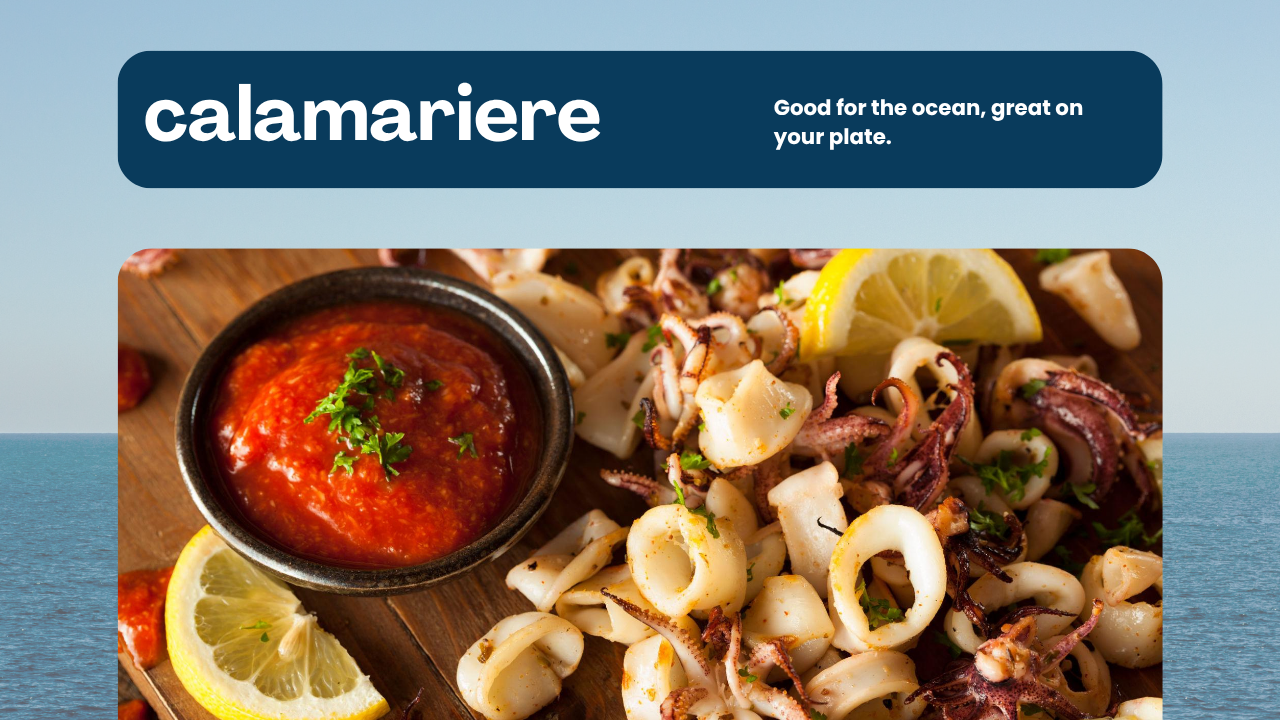
Proper calamari fritti combines golden, crispy exterior with tender interior. The light flour coating should taste like calamari, not greasy or heavily battered. Traditional service includes fresh lemon wedges and perhaps simple tomato sauce for dipping, though some preparations include more elaborate accompaniments.
Grilled Calamari (Calamari alla Griglia)
Grilled calamari dishes emphasize squid’s natural flavor with minimal intervention. Typically prepared with whole small squid or sliced large specimens, grilled calamari showcases quality ingredient and cooking skill. Traditional preparations finish with lemon juice, olive oil, and fresh herbs.
Regional variations exist—some areas add garlic, some incorporate wine-based marinades, some finish with particular herbs like oregano or parsley. The basic principle remains emphasizing calamari’s flavor through simple, quality preparation.
Pasta with Squid Ink Sauce (Pasta all’Amatriciana or Pasta al Nero di Seppia)
Squid ink traditionally produces black-colored pasta sauce (nero di seppia) distinct in color and flavor. The ink imparts slightly briny, mineral flavor creating distinctive sauce. This preparation uses squid ink sac, traditionally reserved during cleaning process.
The pasta is typically tossed with squid pieces in the ink sauce, creating dramatic black presentation and complex flavor combining squid meat with ink’s distinctive taste. This preparation appears in Italian cuisine, particularly in coastal regions with strong seafood traditions.
Calamari in Tomato Sauce (Calamari in Umido)
Calamari stewed in tomato sauce represents traditional Mediterranean preparation emphasizing tender squid in flavorful sauce. Squid pieces are browned then simmered in tomato sauce with garlic, onions, and herbs for extended period until completely tender.
This dish often appears in Italian, Spanish, and Greek cuisines with regional variations. The resulting sauce, enriched by squid’s subtle flavor, works well with pasta or bread for sauce consumption.
Calamari Salad (Insalata di Calamari)
Mediterranean salads often incorporate boiled or lightly cooked calamari pieces combined with vegetables and dressed with olive oil and lemon juice. The salad provides light preparation showcasing calamari as salad ingredient.
This preparation typically uses smaller squid pieces, ensuring they remain tender in salad context. Dressing should be simple, allowing calamari’s flavor to remain prominent.
Calamari Ripieni (Stuffed Calamari)
More elaborate preparations involve stuffing whole squid bodies with bread crumb mixture, herbs, and sometimes other ingredients, then braising or baking. The stuffing creates complete dish with calamari as vessel for flavorful filling.
This preparation requires larger squid and more extensive preparation but creates impressive presentation. Stuffed calamari appears in Italian and Mediterranean cuisines as special-occasion or restaurant dish.
Regional Variations and Cultural Significance
Italian Calamari Traditions
Italy, with extensive Mediterranean and Adriatic coastlines, maintains strong calamari traditions varying by region. Southern Italian coastal regions incorporate calamari extensively, while northern regions show less emphasis despite Adriatic access.
Southern Italian preparations emphasize fried calamari and tomato-based stews, while other regions feature grilled preparations or squid-ink dishes. Regional variations reflect local ingredient availability, historical influences, and cultural food preferences.
Spanish Calamari (Calamares)
Spanish cuisine features calamari prominently, particularly in coastal regions. Calamares a la romana (breaded and fried squid) represents popular Spanish preparation, while other regions emphasize grilled or stewed preparations.
Spain’s position bordering Mediterranean and Atlantic provides access to various squid species, supporting strong calamari culture. Spanish cuisine demonstrates diverse calamari applications and sophisticated preparation techniques.
Greek Calamari Traditions
Greek coastal cuisine extensively incorporates calamari, prepared through grilling, frying, or stewing. Greek preparations often emphasize Mediterranean simplicity—olive oil, lemon juice, herbs—reflecting broader Greek culinary philosophy.
Grilled calamari holds particular significance in Greek cuisine, appearing in tavernas and restaurants throughout Mediterranean islands and coastal regions.
Portuguese Calamari Preparations
Portuguese Atlantic seafood traditions include significant calamari culture, with distinct preparations reflecting Atlantic location and Portuguese culinary heritage. Grilled calamari and calamari stews appear prominently.
Culinary Skill and Expertise Development
Training and Experience
Becoming skilled calamariere requires culinary training, sustained practice, and accumulation of practical experience. Professional chefs often specialize in seafood preparation, developing expertise specific to squid handling and cooking.
Training might occur through formal culinary school, apprenticeship in restaurant kitchen, or family transmission of culinary knowledge. Regardless of training pathway, development of expertise requires repetition and refinement of technique.
Recognizing Quality
A skilled calamariere develops ability to assess squid quality through visual inspection and handling. Recognizing fresh versus aged specimens, identifying appropriate sizes for different preparations, and understanding how quality affects final results represents important expertise dimension.
Timing and Intuition
Experienced calamarieri develop intuition regarding cooking times and doneness assessment, particularly for quick-cooking methods like frying where seconds matter. This intuition develops through repetition and accumulated experience.
Adapting to Ingredient Variation
Squid quality, size, and characteristics vary seasonally and by region. A skilled calamariere adapts cooking methods and times based on specific ingredients, rather than following rigid procedures regardless of actual conditions.
Contemporary Calamari Preparations
Modern Culinary Innovation
Contemporary chefs have developed innovative calamari preparations while respecting traditional techniques. Modern preparations might incorporate contemporary cooking methods like sous-vide while maintaining essential calamari characteristics.
Modern preparations often emphasize ingredient quality and cooking precision, elevating calamari from casual appetizer to sophisticated dish worthy of fine dining presentation.
Health-Conscious Preparations
Contemporary interest in healthy eating has elevated calamari’s profile as nutritious protein source. Preparations emphasizing grilling or light sautéing rather than deep frying appeal to health-conscious consumers.
Fusion and Cross-Cultural Preparations
Contemporary chefs have developed fusion preparations combining calamari with non-Mediterranean influences, creating dishes reflecting contemporary multicultural culinary environments while respecting fundamental calamari characteristics.
Frequently Asked Questions
Understanding the Term
Q: What does “calamariere” mean?
A: Calamariere is an Italian culinary term referring to someone skilled in the preparation and cooking of calamari (squid). The term combines “calamari” with the occupational suffix “-iere,” identifying a specialized craftsperson focused on squid preparation.
Q: Is calamariere a professional occupation?
A: Yes, calamariere can represent a professional occupation, particularly in Mediterranean coastal regions with strong seafood traditions. Individuals might function as professional chefs specializing in calamari, skilled fish market workers, or restaurant cooks with particular expertise in squid preparation.
Q: How is calamariere related to other Italian culinary terms?
A: The “-iere” suffix appears in various Italian occupational terms like “panettiere” (baker) and “pasticciere” (pastry chef), following linguistic patterns for identifying specialized craftspeople.
Calamari Basics
Q: What is calamari?
A: Calamari refers to squid prepared as food ingredient. Squid is a marine cephalopod mollusk related to octopus, and calamari comprises the edible portions including the mantle (body), arms, tentacles, and occasionally the ink sac.
Q: What does calamari taste like?
A: Raw squid has mild, slightly sweet flavor somewhat reminiscent of other shellfish. Cooked calamari develops more distinct flavor depending on cooking method, with fried preparations emphasizing delicate seafood taste, grilled preparations featuring smoky char, and stewed preparations developing deeper, more complex flavors.
Q: Is calamari healthy?
A: Yes, calamari is nutritious, offering high protein content, low fat, minimal carbohydrates, and various micronutrients including selenium, vitamin B12, and omega-3 fatty acids. These characteristics have contributed to calamari’s valued place in Mediterranean diets.
Q: What’s the difference between calamari and octopus?
A: While both are cephalopods, calamari (squid) differs from octopus in anatomy and culinary characteristics. Squid has eight arms and two longer tentacles, while octopus has eight arms. Culinary preparation differs, with squid typically cooked through quick, high-heat methods or extended stewing, while octopus often requires even longer cooking times.
Preparation and Cooking
Q: Why is calamari texture important?
A: Calamari texture is crucial because improperly cooked squid can become tough and rubbery. Proper preparation requires either quick, high-heat cooking maintaining natural tenderness, or slow stewing breaking down muscle fibers. Intermediate cooking temperatures often produce undesirable texture.
Q: What’s the best way to cook calamari?
A: The best cooking method depends on preference and intended use. Quick frying or grilling maintains natural tenderness, while stewing creates different texture and flavor. All methods work well when executed properly with attention to timing and temperature.
Q: How long does calamari take to cook?
A: Cooking time varies dramatically by method. Fried or sautéed calamari cooks in 1-5 minutes. Grilled calamari takes 2-4 minutes. Stewed calamari requires 45 minutes to several hours. Quick cooking prevents toughness; extended cooking allows complete tenderization.
Q: How do you clean calamari?
A: Cleaning involves removing the head (containing brain and eyes) from the mantle, removing internal organs, extracting the quill structure, and rinsing thoroughly. The process requires care to preserve meat quality while ensuring cleanliness.
Q: Why is fried calamari popular?
A: Fried calamari (calamari fritti) is popular because the quick cooking preserves natural tenderness while creating appealing golden exterior. The mild flavor works well with light breading and simple seasonings, and the preparation is relatively quick.
Traditional Dishes
Q: What is calamari fritti?
A: Calamari fritti is fried squid, typically cut into rings and lightly breaded before frying. It’s served as appetizer or light main course, traditionally with fresh lemon wedges and optionally with tomato sauce.
Q: What dishes use squid ink?
A: Squid ink traditionally creates black-colored sauces, particularly pasta al nero di seppia (pasta with squid ink sauce). The ink imparts distinctive briny, mineral flavor creating signature dishes in Italian and other Mediterranean cuisines.
Q: What are popular calamari dishes?
A: Popular calamari dishes include calamari fritti (fried), calamari alla griglia (grilled), calamari in umido (stewed in tomato sauce), pasta al nero di seppia (pasta with squid ink), calamari salad, and calamari ripieni (stuffed).
Cultural and Nutritional
Q: Is calamari significant in Mediterranean cuisine?
A: Yes, calamari holds important place in Mediterranean cuisine, particularly Italian, Spanish, and Greek traditions. Coastal regions with strong seafood traditions incorporate calamari extensively in traditional dishes.
Q: What regions emphasize calamari?
A: Mediterranean coastal regions, particularly southern Italy, Spain, Greece, and Portugal, emphasize calamari in traditional cuisines. The ingredient is particularly prominent in island communities and fishing port cities.
Q: Are there any cultural considerations regarding calamari?
A: Calamari holds cultural significance in Mediterranean regions where it represents traditional ingredient in historic food culture. In some religions and dietary practices, calamari is acceptable as shellfish, though some traditions restrict shellfish consumption.
Q: How has calamari preparation changed over time?
A: While traditional preparations remain popular, contemporary chefs have developed innovative preparations incorporating modern cooking techniques. Health-conscious preparations emphasizing grilling or light cooking have gained prominence alongside traditional fried preparations.
Conclusion
“Calamariere” represents a fascinating Italian culinary term identifying skilled professionals specializing in calamari (squid) preparation and cooking. The term exemplifies Italian linguistic traditions of creating specific vocabulary for specialized trades, particularly within culinary domains. While not extensively documented in English-language culinary resources, the term reflects the cultural and practical significance of squid in Mediterranean cuisine, particularly Italian coastal food traditions.
Understanding calamariere requires appreciation for calamari as ingredient and the specific expertise required to transform raw squid into delicious prepared dishes. The distinctive characteristic of calamari cookery involves achieving proper texture—tender and pleasant rather than tough or rubbery—requiring knowledge of cooking methods, timing, and temperature control.
Calamari’s culinary applications span multiple cooking methods, each producing different results: quick frying preserves natural tenderness while creating appealing golden exterior; grilling creates distinctive char flavor; sautéing allows rapid flavor development; and stewing creates very tender texture through extended cooking. A skilled calamariere understands these methods and selects appropriate techniques based on desired outcome and ingredient characteristics.
Traditional calamari dishes reflect Mediterranean culinary heritage, from the internationally recognized calamari fritti to regional specialties incorporating squid ink or traditional stewing techniques. These dishes demonstrate how simple ingredient—when properly prepared by skilled craftsperson—creates satisfying, flavorful cuisine.
Contemporary culinary interest in calamari has elevated it from casual appetizer to sophisticated ingredient appearing in fine dining restaurants and fusion cuisines. Modern preparation methods while respecting traditional techniques showcase calamari’s nutritional value and culinary potential to contemporary audiences.
The development of calamariere expertise requires culinary training, sustained practice, and accumulated experience. Skilled practitioners develop intuition regarding quality assessment, timing, and technique adaptation based on specific ingredients and conditions. This expertise transforms raw squid into carefully prepared dishes reflecting both technical proficiency and culinary creativity.
The calamariere, whether functioning as professional chef, skilled home cook, or market vendor, represents continuation of Mediterranean culinary traditions emphasizing seafood expertise and respect for quality ingredients. The term itself, though less commonly used in contemporary English culinary vocabulary than in Italian contexts, encapsulates important culinary principle: that specialized food preparation techniques deserve recognition and respect through distinctive terminology identifying skilled practitioners.
For food enthusiasts interested in Mediterranean cuisine, understanding calamariere and calamari preparation techniques deepens appreciation for traditional dishes and cultural food practices. Recognizing the skill involved in transforming simple squid into delicious prepared meals honors the craftspeople—traditional and contemporary—who maintain these culinary traditions.