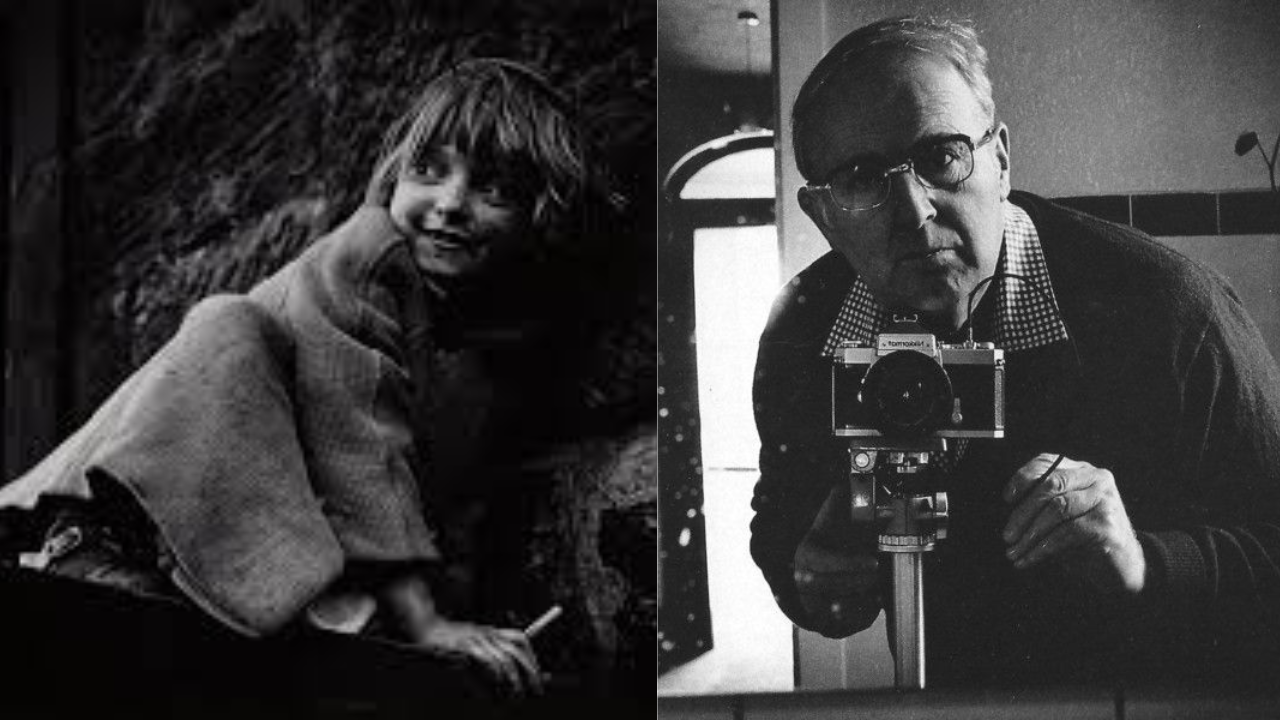
Joseph McKenzie (1929–2015) was a Scottish photographer whose impactful work reshaped the landscape of modern Scottish photography. Known for his evocative black-and-white images, McKenzie’s work chronicled post-war Scottish life, shedding light on the often-overlooked lives of people living amid urban decay and redevelopment. His profound contributions to documentary photography have made him a revered figure in the artistic community. His legacy, especially his role as a mentor to emerging photographers, has had a lasting influence on the art of photography in Scotland.
Quick Info
| Attribute | Details |
|---|---|
| Full Name | Joseph McKenzie |
| Date of Birth | March 19, 1929 |
| Date of Death | July 5, 2015 |
| Profession | Photographer |
| Known For | Black-and-white documentary photography, capturing post-war Scottish life |
| Notable Exhibitions | Glasgow Gorbals Children (1965), Dundee – A City in Transition (1966), Hibernian Images (1970) |
| Key Publications | Pages of Experience; Photographs 1947-1987, Gorbals Children: A Study in Photographs |
| Influence | Mentor to photographers Calum Colvin and Albert Watson |
| Legacy | Widely regarded as the “father of modern Scottish photography” |
Early Life and Career
Born on March 19, 1929, in London, Joseph McKenzie’s early life was shaped by the tumultuous period of World War II. At the age of 16, McKenzie joined the Royal Air Force, where he served as a photographer between 1945 and 1952. It was here that his passion for photography began to blossom, though he was not yet fully committed to the craft as a career.
After his service in the RAF, McKenzie pursued formal education in photography at the London College of Printing from 1952 to 1954. This training marked the beginning of his professional journey, where he honed the skills that would define his future work. His photographic style developed from this academic foundation, though McKenzie would ultimately chart a unique course in the world of documentary photography.
In the years that followed, McKenzie transitioned into teaching, sharing his knowledge and passion for the medium. He began as a photography instructor at Saint Martin’s School of Art in London before relocating to Dundee. There, he took on a lecturer role at Duncan of Jordanstone College of Art and Design, where he worked until his retirement in 1986.
Defining His Photography Style
McKenzie’s photography was characterized by its documentary style, capturing everyday moments with a focus on the human experience. His work is notable for its stark black-and-white imagery, which provided a sharp contrast to the often gritty and bleak urban landscapes he photographed. He became widely recognized for documenting post-war Scotland, particularly the urban decay and social challenges that the country faced during a period of significant transition.
His photographic style was straightforward yet deeply empathetic. He had an uncanny ability to capture profound moments with a single shot, a skill that earned him the affectionate nickname “one-shot wonder” from his students. McKenzie was known for the discipline with which he approached his craft—developing and printing all of his own work. This attention to detail and commitment to the craft was pivotal in the development of documentary photography as an art form.
Early Projects and Influence
McKenzie’s photographic career began to gain traction in the 1960s, with a series of exhibitions that brought his work into the public eye. His photographs offered an unflinching look at the realities of post-war Scottish life. Some of his most famous works from this period include:
- Glasgow Gorbals Children (1965): One of McKenzie’s most iconic series, which portrayed the lives of children living in the Gorbals district of Glasgow. The images vividly captured the social and economic challenges of the area during a time of rapid urban development.
- Dundee – A City in Transition (1966): A photographic exploration of Dundee, a city undergoing significant transformation in the 1960s. McKenzie’s work reflected both the vibrancy and struggles of the city’s people as they adapted to the changes brought about by industrialization.
- Down Among the Dead Men and Gorbals Revisited: These projects continued McKenzie’s documentation of working-class life in Glasgow, highlighting the harsh realities faced by the city’s residents in the face of economic hardship.
- Caledonian Images (Scottish Arts Council, 1969): McKenzie’s images of rural Scotland highlighted the contrasts between urban life and the quieter, more traditional ways of living in the countryside.
Controversial Work and Withdrawal from Public Exhibitions
McKenzie’s work was not always well received, especially when it challenged the prevailing norms of the time. His 1970 exhibition, Hibernian Images, for example, generated significant controversy due to its stark depictions of life in Northern Ireland during a period of intense political unrest. The raw, unfiltered portrayal of the challenges faced by young people in Northern Ireland was seen by some as too provocative. Amid efforts to censor his work, McKenzie withdrew from public exhibitions for a period, becoming increasingly selective about where and how his work was shown.
Despite these challenges, McKenzie’s commitment to truth-telling through his photography remained strong. His willingness to capture the uncomfortable realities of life—whether it was in Glasgow’s gritty neighborhoods or the embattled streets of Northern Ireland—cemented his place as one of Scotland’s most important documentary photographers.
Later Career and Retrospectives
After a period of withdrawal from public exhibitions, McKenzie’s work began to gain renewed recognition in the 1980s. A retrospective exhibition of his work was held at the Third Eye Centre in Glasgow in 1987, highlighting the breadth and depth of his photographic journey. This retrospective culminated in the publication of a book, Pages of Experience; Photographs 1947-1987, which provided an extensive look at his career.
McKenzie’s Gorbals Children: A Study in Photographs, published in 1990, revisited one of his most famous projects and showcased his lasting impact on documentary photography. The book served as a tribute to the working-class communities that had been his subject for decades.
In 1997, McKenzie was the subject of another significant exhibition, Witness to Mortality: Photographs by Joseph McKenzie, held at the Gallery of Modern Art in Glasgow. This exhibition underscored his enduring influence on the photographic world, showcasing his ability to capture the humanity and resilience of individuals in challenging circumstances.
Legacy and Influence
Joseph McKenzie’s work has left an indelible mark on the field of photography. His unflinching portrayal of Scotland’s urban landscapes and working-class communities, along with his candid depictions of social issues, continues to inspire photographers and artists to this day.
McKenzie’s influence extends beyond his own work. He was a mentor to many, helping to launch the careers of photographers like Calum Colvin and Albert Watson, both of whom went on to achieve international recognition. McKenzie’s support of the next generation of photographers was a crucial part of his legacy, as he nurtured talent and helped shape the trajectory of modern Scottish photography.
McKenzie’s focus on documentary photography as an art form helped elevate the genre in Scotland. His ability to convey the emotional depth of his subjects through the lens of his camera made his work stand out, earning him a place in the annals of Scottish photography history.
FAQs
What made Joseph McKenzie’s photography unique?
McKenzie was known for his ability to capture powerful, unflinching portrayals of post-war Scottish life, often focusing on urban decay and the resilience of working-class communities. His black-and-white images conveyed deep emotion and provided a stark, truthful reflection of society during times of transition.
What was Joseph McKenzie’s impact on Scottish photography?
McKenzie played a key role in developing documentary photography as an art form in Scotland. He helped establish the careers of other prominent Scottish photographers and was instrumental in bringing social issues to the forefront through his lens.
Why did McKenzie withdraw from public exhibitions?
McKenzie withdrew from public exhibitions after the controversy surrounding his 1970 exhibition, Hibernian Images, which depicted the troubled lives of young people in Northern Ireland. The work was seen as provocative by some, leading to efforts to censor it and prompting McKenzie to retreat from the public eye for a time.
What is Joseph McKenzie’s lasting legacy?
McKenzie’s legacy lies in his ability to document the lives of everyday people in Scotland with sensitivity and authenticity. His influence extends to the photographers he mentored, as well as his pioneering role in elevating documentary photography as a respected art form in Scotland.